Traveling to the Norwegian Fjords: Insurance Tips
The Norwegian fjords stretch like ancient veins across the country’s rugged western coast—cruising through deep blue waters flanked by towering cliffs, snow-dusted peaks, and silent wooden villages clinging to the shore. It’s a landscape that feels almost mythical, shaped by glaciers and time. But behind the postcard beauty lies a reality many travelers overlook: remote regions mean limited medical access, sudden weather shifts, and equipment failures that can turn a dream trip into a costly ordeal. That’s why choosing the right travel insurance is not an afterthought—it’s the foundation of a safe, stress-free journey.
Why Fjord Travel Demands Specialized Coverage
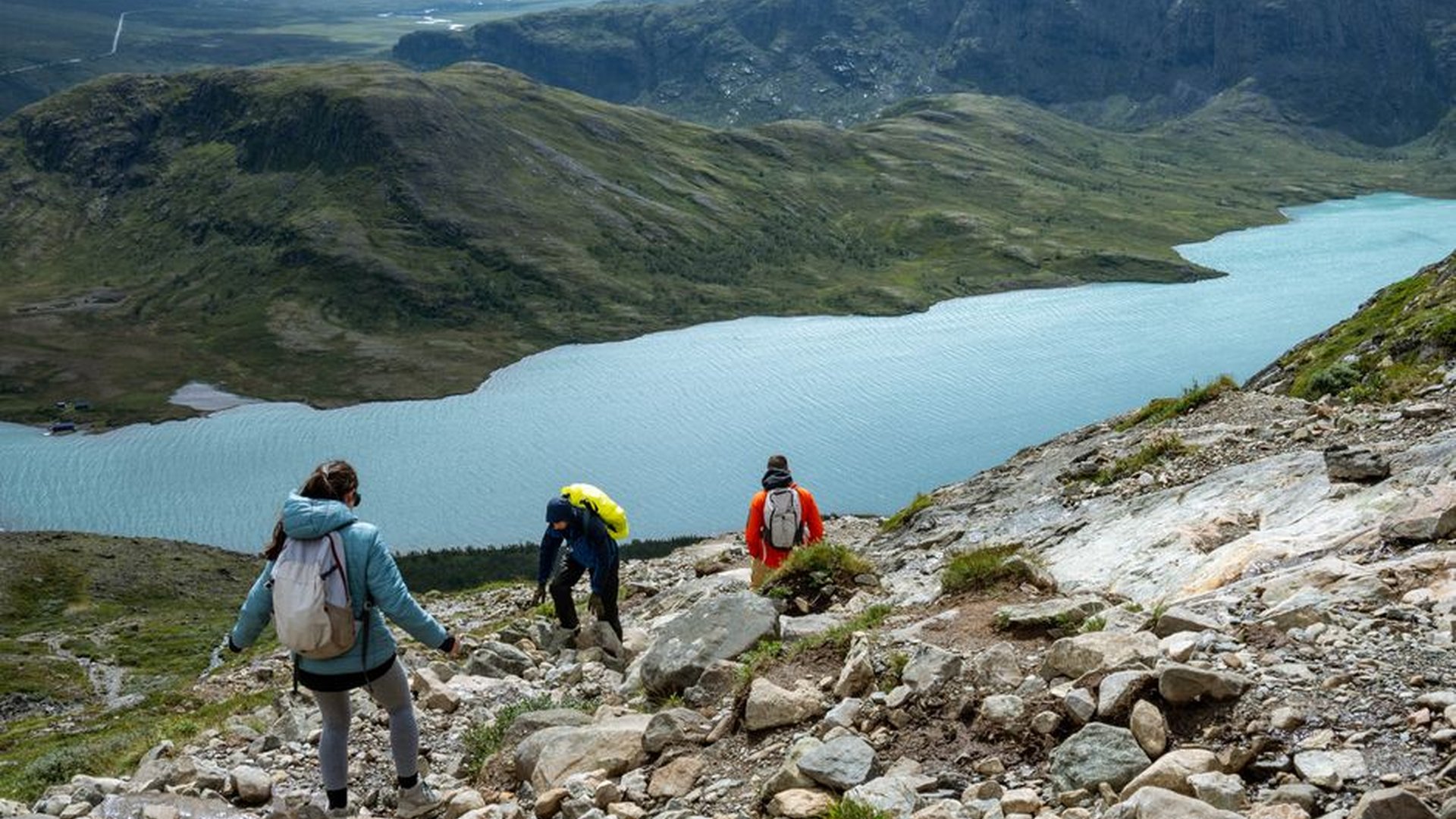
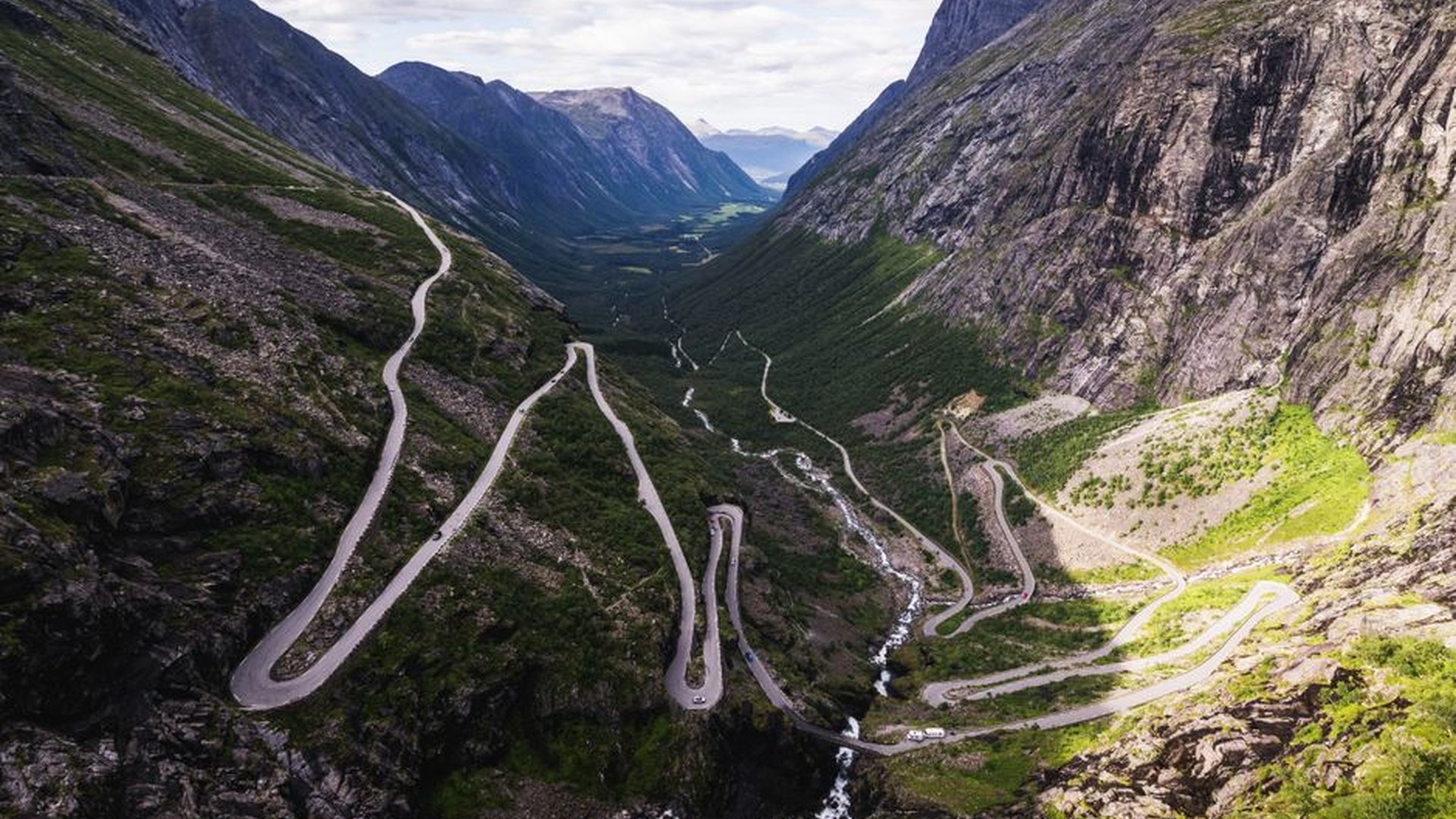
Fjords aren’t just scenic—they’re demanding. The terrain is often steep, roads are narrow and winding, and the weather can change in minutes. A calm morning might turn into a gale-force storm, leaving hikers stranded on remote trails. In such conditions, even a minor injury can escalate quickly without immediate medical help. Unlike urban destinations where hospitals are just a few blocks away, the nearest emergency clinic in places like Geiranger or Nordfjord might be hours away by car or boat.
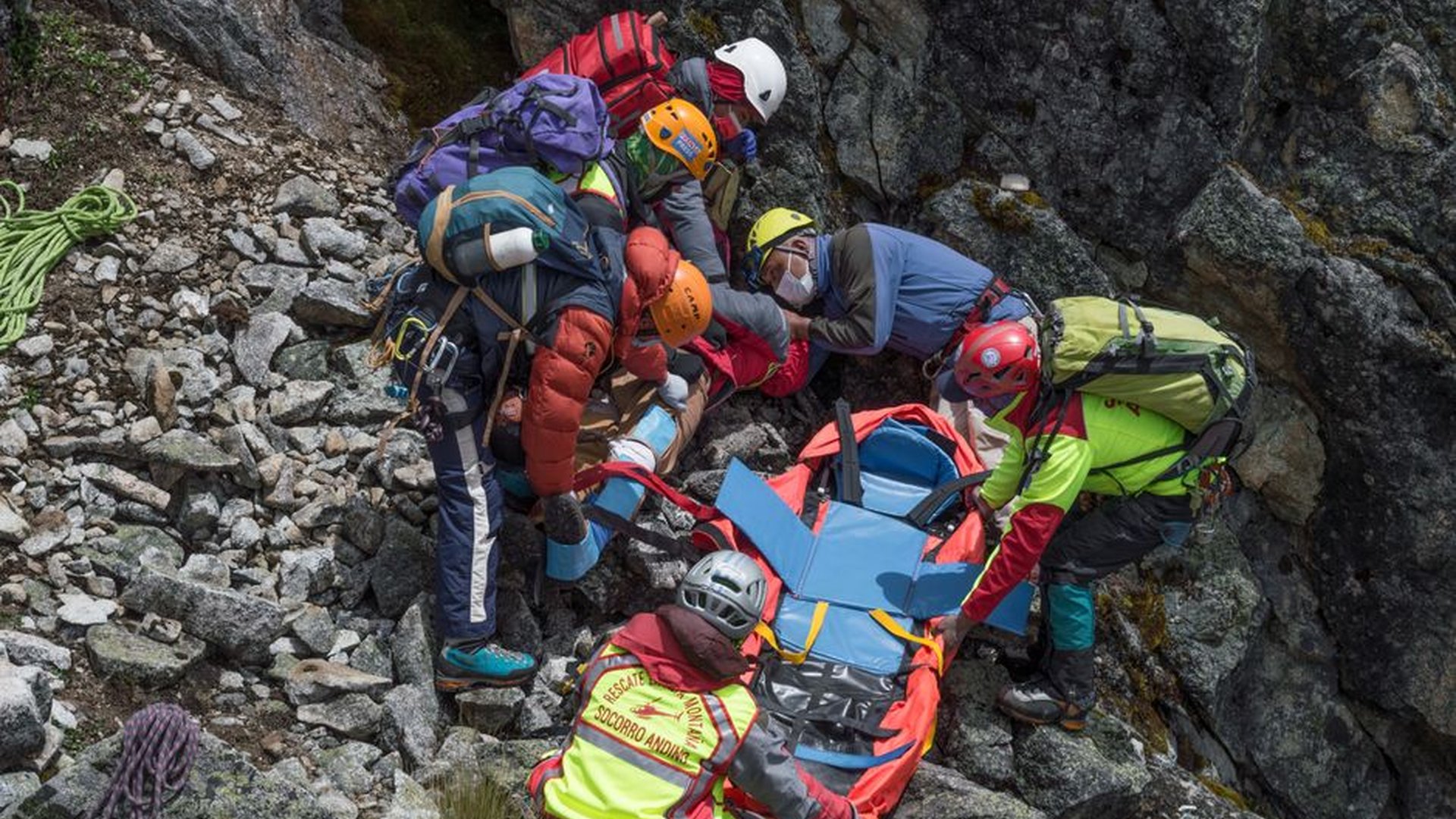
Consider this: a couple from Chicago planned a 10-day trek through the Lofoten Islands. On day six, the man slipped on icy rocks and broke his ankle. The nearest medical facility was 45 miles away, accessible only by mountainous road and a challenging 2-hour hike. Without travel insurance, he would have faced a $12,000 evacuation bill—plus $8,000 in medical fees. But because they had purchased a comprehensive plan with emergency evacuation coverage, the rescue team arrived within three hours, and all costs were covered. It wasn’t luck—it was planning.
Key Coverage Elements to Prioritize
Not all travel insurance plans are equal, especially for remote regions like Norway. Look for these non-negotiable features when comparing policies:
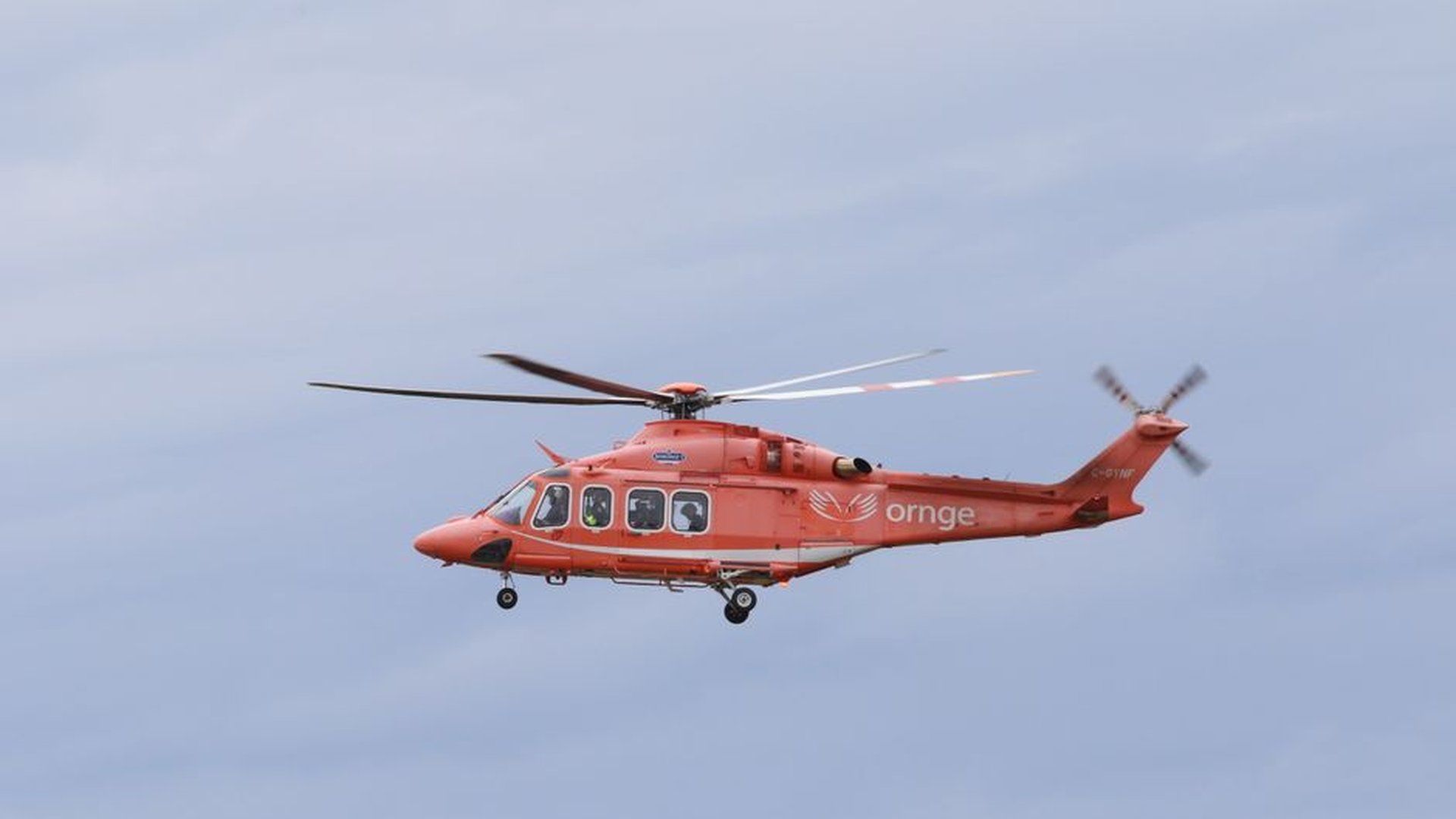
– Emergency medical evacuation: This includes air ambulances or boat transfers in remote areas. Without it, you could be stranded for days.
– Trip interruption and cancellation: Fjord travel often involves advance bookings for ferries, guided tours, and luxury lodges. If a storm halts your ferry schedule or your flight is delayed due to weather, you need coverage for non-refundable expenses.
– Baggage loss and delay: A common issue in Norway’s rural transport hubs, where luggage can be rerouted or delayed. Insurance should cover immediate essentials like clothing or toiletries if your bag doesn’t arrive on time.
– Adventure sports coverage: Many travelers rent kayaks, go mountain biking, or join glacier hikes. Standard plans may not cover these unless explicitly listed. Verify that your policy includes activities you plan to do.
Choosing a Plan That Matches Your Itinerary
Your travel insurance should mirror your actual journey. For example:
– A couple backpacking through the Hardanger Fjord might need a higher emergency evacuation limit and coverage for self-guided hikes.
– A family on a cruise from Bergen to Ålesund may need separate coverage for on-board activities, as some cruise insurers don’t include off-ship excursions.
– Solo travelers exploring the Arctic Circle might benefit from a plan with 24/7 multilingual support, as language barriers can arise during emergencies.
A real example from a blogger named Emily, who traveled via the Flåm Railway to the Nærøyfjord, shows the impact of matching policy to purpose. She booked a basic plan, only to learn mid-trip that her chosen tour operator didn’t accept it for boat rentals. She was forced to pay extra for a special add-on, costing $170. Her mistake? Not checking that the policy covered small-boat excursions—something common in fjord regions. She now recommends always reviewing the policy’s inclusions and exclusions break-down, not just the price.
How to Verify Your Policy Works in Norway
Insurance isn’t just about having a card—your plan must be valid and functional in Norway. Here’s how to double-check:
– Confirm the insurer has a network of providers in Norway, including local emergency services and hospitals.
– Look for plans that include international medical coverage and a 24/7 assistance hotline with staff fluent in English and Norwegian.
– Check if the company offers a digital claims process. In a recent case, a traveler from Seattle lost her passport in Oslo. With a digital insurance app, she filed and received reimbursement for replacement costs within 48 hours.
– Download an offline version of your policy documents. In remote fjords, data and Wi-Fi are unreliable. Having a PDF on your phone ensures you’re not stranded if you need to file a claim.

Final Tips: Plan Ahead, Travel with Confidence
Traveling to the Norwegian fjords is more than a vacation—it’s a deep connection with nature, history, and quiet beauty. But nature doesn’t promise safety. The very landscapes that inspire awe can also pose risks. Don’t let a preventable situation cancel your journey.
Start researching your travel insurance at least six weeks before departure. Don’t base your choice on price alone—look at the coverage limits, exclusions, and real-world support. Use comparative tools on trusted sites like InsureMyTrip or TravelInsurance.com, but always read the fine print.
Remember: insurance isn’t a luxury. It’s your safety net, your peace of mind, and your ticket to truly enjoy the moment—knowing that if something goes wrong, you’re not alone. So as you stand on the edge of the Geirangerfjord, gazing at the waterfall cascading into the deep blue, you can breathe freely. Because you’ve done the work. You’ve protected your journey. And now, you’re free to wander through the fjords, not just as a visitor—but as a confident traveler, one unforgettable moment at a time.