Lost in Morocco’s alleys, found unforgettable memories
It started with a wrong turn. Not the dramatic kind—no car crash or sudden storm—but the quiet, gradual unraveling of a plan. I’d spent weeks mapping out my trip to Morocco: a few days in Marrakech, a night in the Sahara, then a slow journey into the heart of the country’s ancient cities. I had the train schedule, the hotel confirmations, the list of must-see mosques and souks. But somewhere between the terracotta walls of Fes and the sound of call to prayer echoing through narrow stone passages, I stepped off the map.
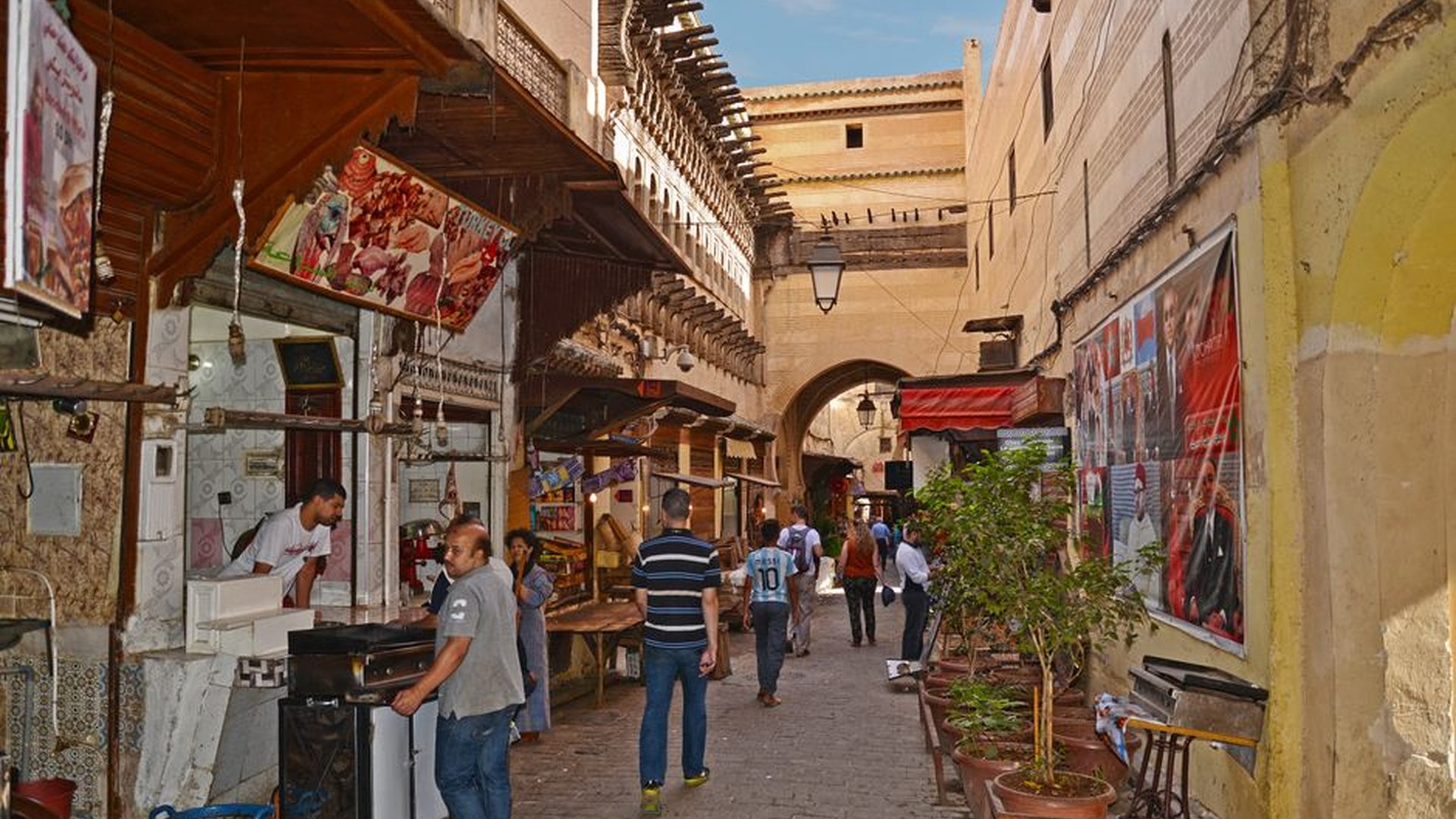
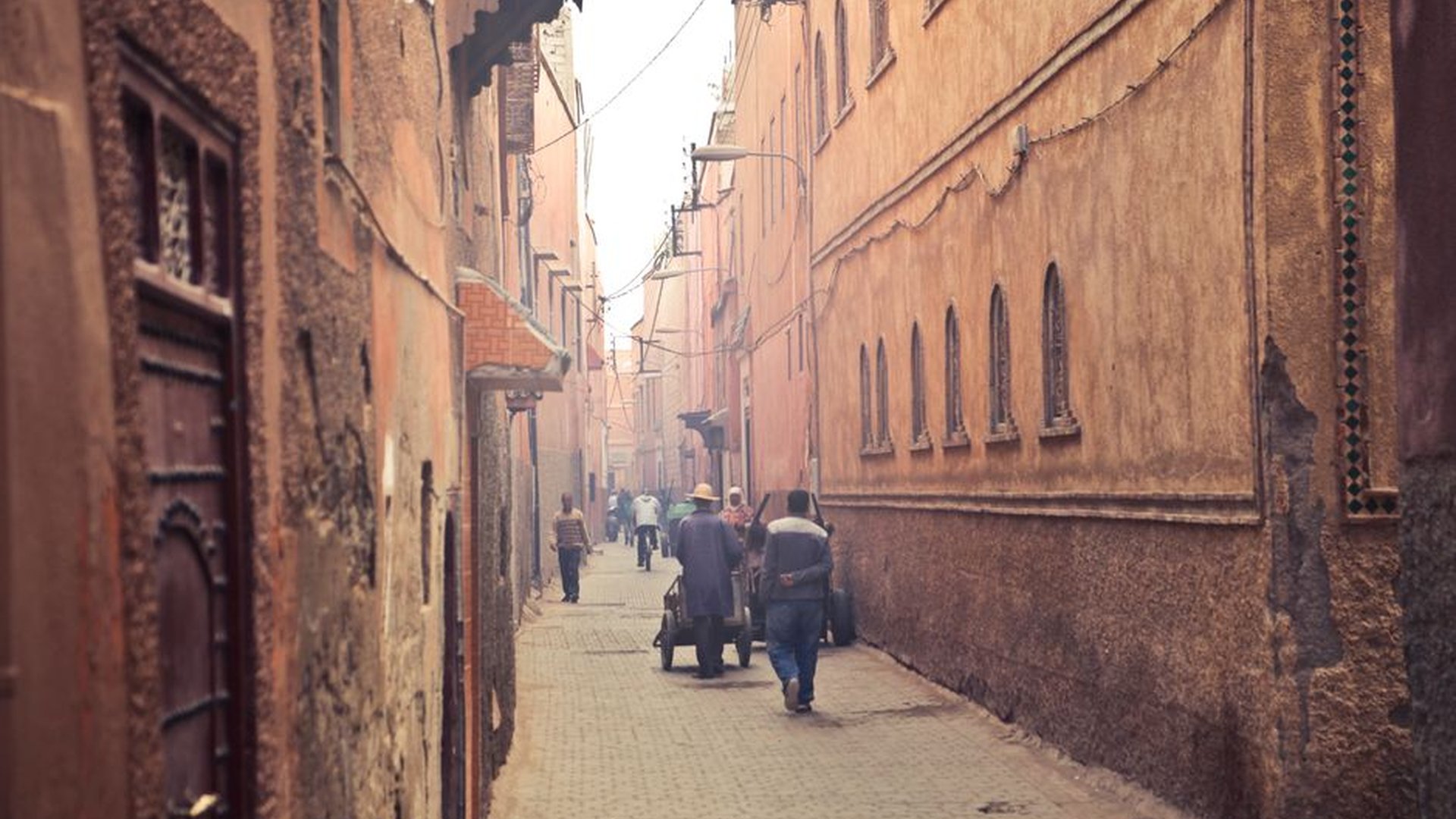
I was in the medina—the old city of Fes, a maze built over centuries, where alleys twist like secret stories told in stone and scent. My guidebook said to follow the river to find the main square. I saw the faint glimmer of light ahead, stepped forward—and turned left instead of right. That small mistake changed everything.
The air shifted the moment I turned. The hum of tourists with maps vanished. The clang of metal, the whisper of fabric brushing stone, the rich perfume of cumin and dried mint pouring from open doorways—it all deepened, as if the city had closed its eyes and whispered, ‘Now you’re one of us.’
Where the map ends, the journey begins
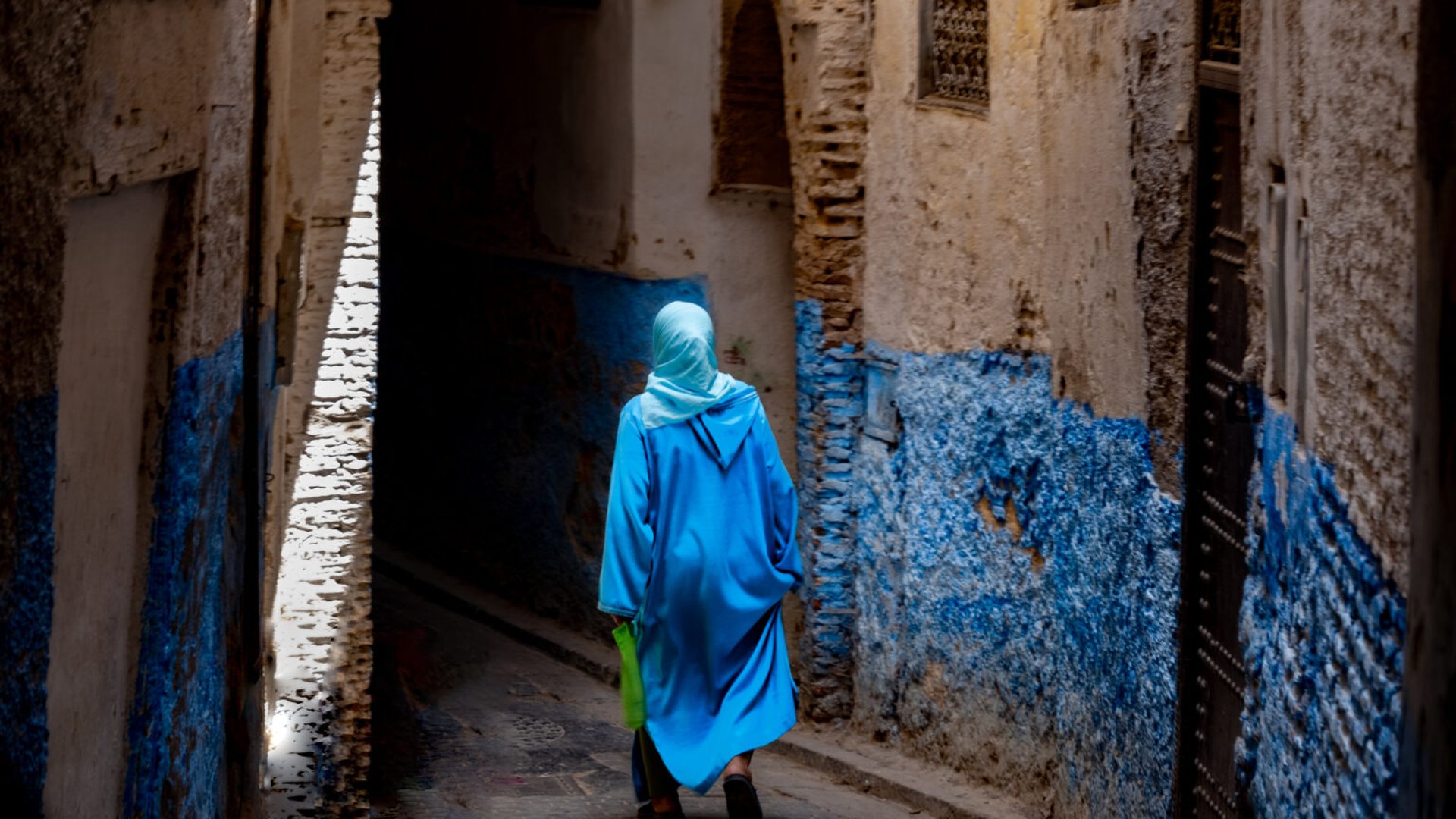
I didn’t realize I was lost at first. It felt more like being invited. I followed a man in a blue djellaba carrying a basket of fresh dates. He turned to me and smiled—no words, just a nod. I nodded back, full of awkward gratitude. That’s how I learned: in Fes, you don’t ask for directions. You walk, you watch, you wait for a gesture.
My phone had no signal. No GPS. The streets narrowed until I could barely turn my shoulders. Sunlight barely reached the ground. I passed a woman kneading dough in a courtyard, her hands dusted with flour, humming a lullaby in Berber. I didn’t understand the words, but I felt the rhythm in my chest. Another man sat against a wall, his eyes closed, plucking a single string from a small, worn oud. I paused. He didn’t open his eyes. But he played the note longer—just for me.
I felt small in a good way. Not helpless. Not trapped. Alive. Like I’d slipped out of my own story and into someone else’s.
The scent of a thousand stories
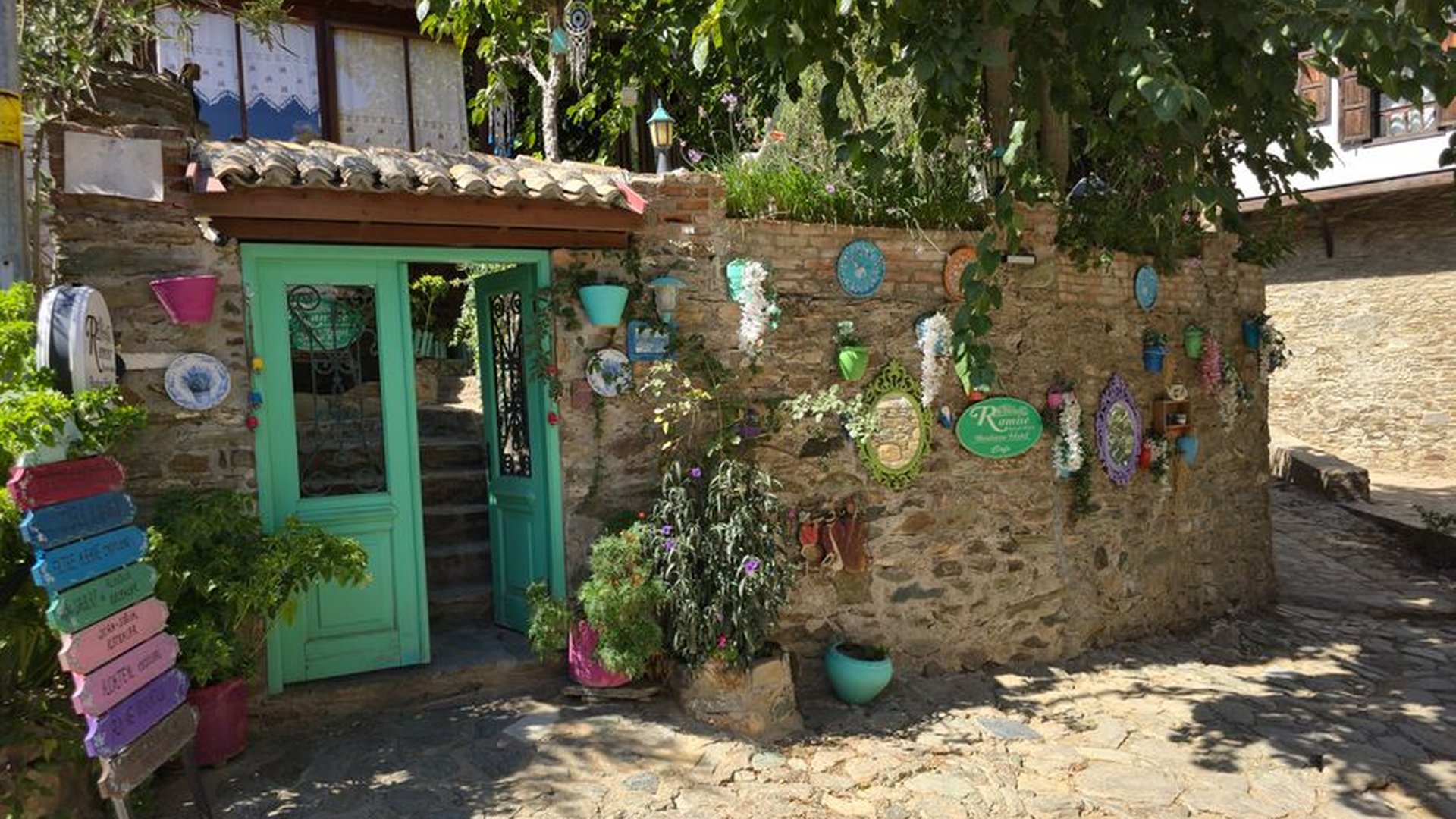
I stopped by a tiny shop tucked behind a copper smith’s stall. No sign. No English. Just a wooden door, painted turquoise, and a woman behind it, grinding saffron with a mortar and pestle. Her hands were cracked, her fingers stained gold. I held up my empty water bottle. She nodded, smiled, and poured me a cup of mint tea—steeped long, sweet with honey, the kind that warms you from inside out.
She didn’t ask where I was from. Didn’t ask why I was alone. She just said, ‘This is not for tourists,’ in halting French. Then she pointed outside towards a courtyard I hadn’t seen. I walked there. And I saw it: a courtyard with a single almond tree, its branches heavy with fruit, and beneath it, a woman laying out woven rugs, her back to me, her fingers working a shuttle with practiced ease.
She didn’t turn. But she said gently, ‘You are not lost. You are here.’ I sat on the edge of a low stone wall. I didn’t understand how I’d found this place. But I felt found.
Memory built in silence
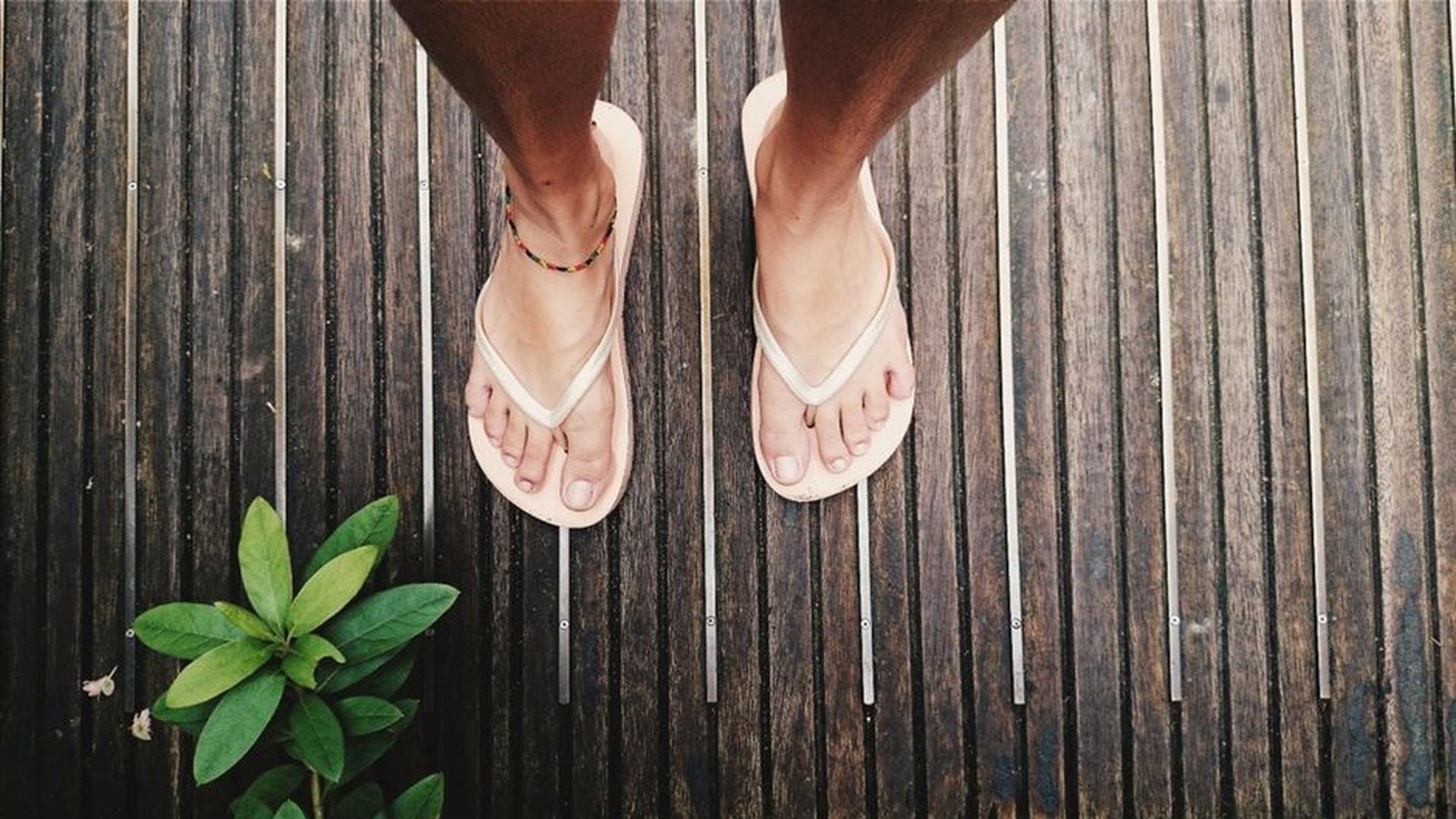
That evening, I returned to the main alley, not knowing if I’d made it back or simply wandered in a loop. I passed a boy selling handmade leather slippers, his feet bare, his sandals patched with thread. He reached into his bag and handed me one, no words. I held it—soft, warm, stitched with care. I tried to give him money. He shook his head, pointed to my feet, then to the sky. I understood. It wasn’t a gift of charity. It was a gift of connection.
I didn’t eat that night. I didn’t sleep. I walked until my feet blistered, not to escape, but to stay awake. Every sound, every shadow, every chance encounter—it wasn’t just a walk. It was a ritual. In that stillness, the city spoke to me in ways no tour guide ever could.
Later, I learned that Fes is said to have 10,000 alleys. No one knows the exact number. But I felt them all. Not as a tourist, but as a witness. I saw the past in the cracked tiles, heard the echoes of prayer in the rustle of a passing scarf, smelled the centuries in the spice stalls that never closed.
I don’t remember the exact path back. I don’t care. What I remember is not the streets, but the stillness between steps. The way the afternoon light fell on a pile of crushed almonds near a craftsman’s workshop. The laughter of children chasing pigeons in a square I’d never marked on my map. The moment I handed the leather slipper back to the boy—his eyes bright, like he’d been waiting for it all along.
Why getting lost is the only way to arrive
We plan our travels like we’re conquering geography. We race from point A to B, taking photos, ticking boxes. But it was walking blind through Fes that taught me: the most powerful kind of travel isn’t about checking off landmarks. It’s about how the city changes you. How it reminds you that you’re not just passing through. You’re alive in the moment.
That day in Morocco, I didn’t find a famous landmark or a hidden beach. I found something rarer: a sense of presence. I walked not to reach somewhere, but to become part of something. That’s when I realized—sometimes, being lost isn’t failure. It’s an invitation.
I left Fes the next morning with a new kind of map—one not drawn on paper, but stitched into my skin, my lungs, my bones. My travel story isn’t about how I found my way back. It’s about how I found myself in the journey. And in that alley, wrapped in silence, scent, and strangers’ kindness, I didn’t just visit Morocco. I lived it.