Why Your Gear Choices Shape Your Johannesburg Experience
When you step into Johannesburg, you’re not just crossing a border—you’re entering a landscape of contrasts. The city pulses with energy beneath a sky so vast it makes you feel small. But if you’re not properly equipped, that magic can quickly turn into frustration. I once stood at the entrance of the Apartheid Museum, camera in hand, only to realize my battery was dead and I had no extra memory card. The moment was perfect—golden hour light glinting off the old steel doors—but I couldn’t capture it. That’s when I learned: it’s not just what you see that defines a journey, but what you’re ready to see with.
Johannesburg isn’t a single destination. It’s a journey through history, nature, and urban soul. You might hike through the Drakensberg foothills just as the sun breaks over the veld, or stroll through Maboneng’s art-lit streets under a moon no longer blocked by city smog. But to truly experience it, you need gear that doesn’t just fit your backpack—it fits your mindset.
Essential Clothing: From City Streets to Open Savannah
Don’t pack for Johannesburg like it’s a ski resort or a beach party. It’s both—and neither. The climate swings: mornings can be crisp, late afternoons are hot, and evenings drop into a cool, almost sharp air. I learned this the hard way, wearing only my summer T-shirt on a safari trip to Kruger National Park, just a few hours from the city. I spent most of the night shivering, wishing I had that thermal layer I’d packed but forgotten.
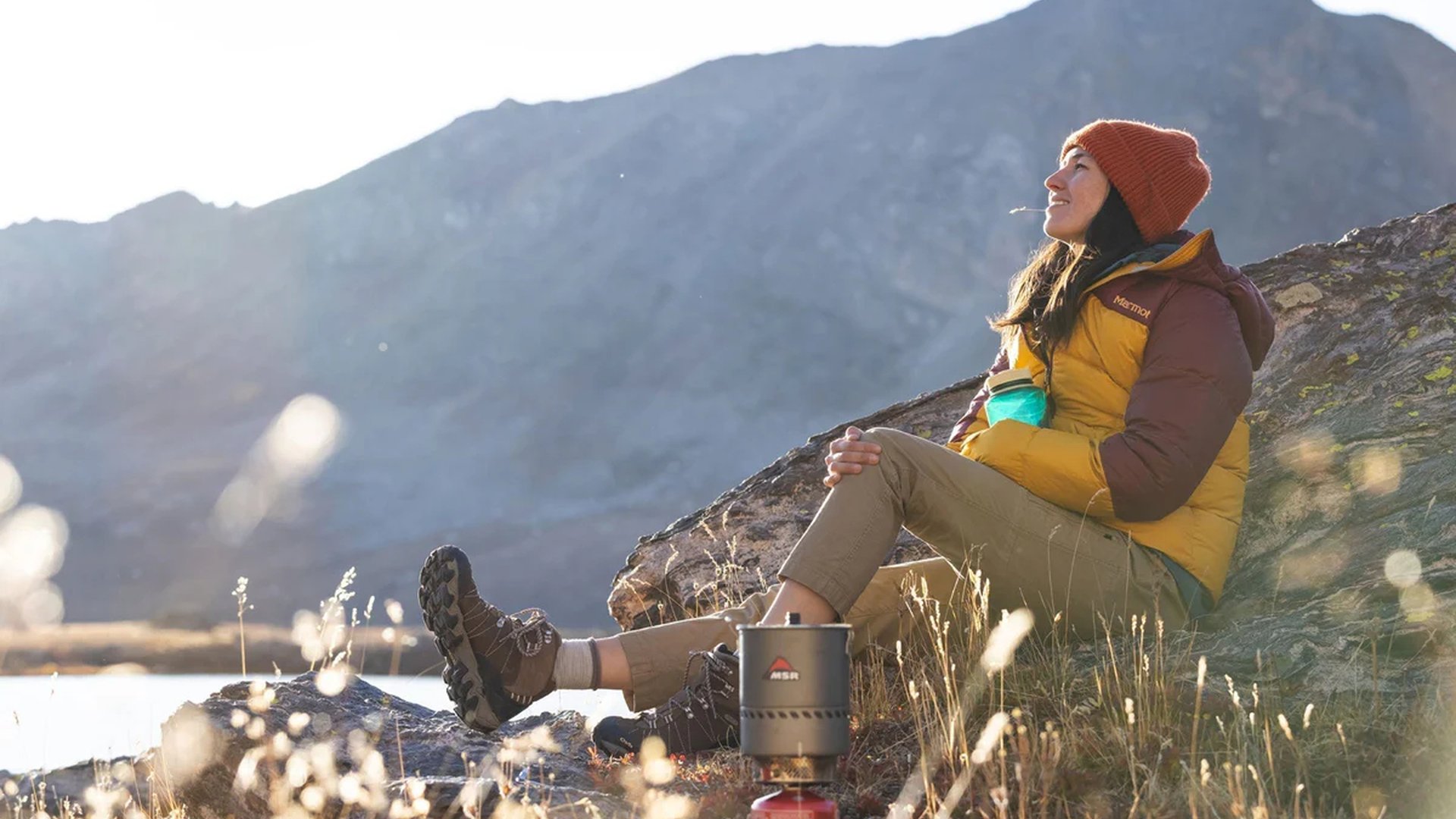
Start with moisture-wicking base layers—especially if you’re hiking or doing early morning game drives where dew clings to the grass. A lightweight, quick-dry jacket is non-negotiable. I keep a packable down jacket in my bag—it folds into a pocket-sized bundle and has saved me more than once when the weather changed fast.
And don’t skip the footwear. I took three pairs on my last trip—light hiking boots for trails, breathable casual shoes for city walks, and a pair of water-resistant sandals for river crossings near the Magaliesberg. But above all, choose a pair of well-broken-in hiking shoes. Nothing ruins a sunset viewpoint like blisters.
Photography & Documentation: Capturing the Soul of the City
Johannesburg isn’t just a place to visit—it’s a place to remember. Its soul lives in the crack of old train tracks, in the color of a street mural painted in turquoise and gold, in the way sunlight hits a tin shack at dawn. If you don’t capture that, you’re missing half the journey.
I carry three essentials: a mirrorless camera with a 24-70mm lens, a spare battery, and a 64GB SD card. No, not because I’m a pro—because I’ve had the camera die mid-sunset, and the memory card full when the view was perfect. That moment—when your phone barely captures the blur of a giraffe’s ears on the savannah—teaches you to plan.
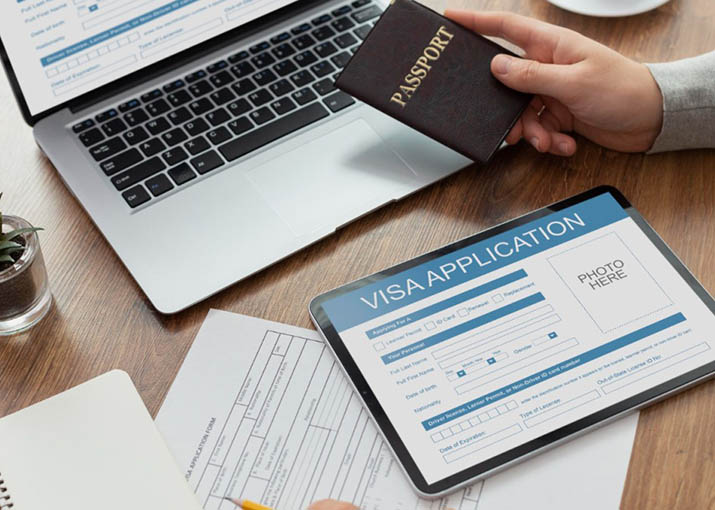
But don’t overlook your smartphone. It’s not just for social media. Use it to record audio notes during guided tours, map your favorite spots with GPS, and even scan documents like your visa or travel insurance. I keep the battery at 100% every morning using a compact power bank that fits in my pocket.
And always bring a small notebook. Not for stories—just for ideas. I wrote down one line on my first evening: ‘The wind smells like iron and fresh earth.’ It stayed with me longer than any photo.
Health & Safety: Protecting Yourself on the Move
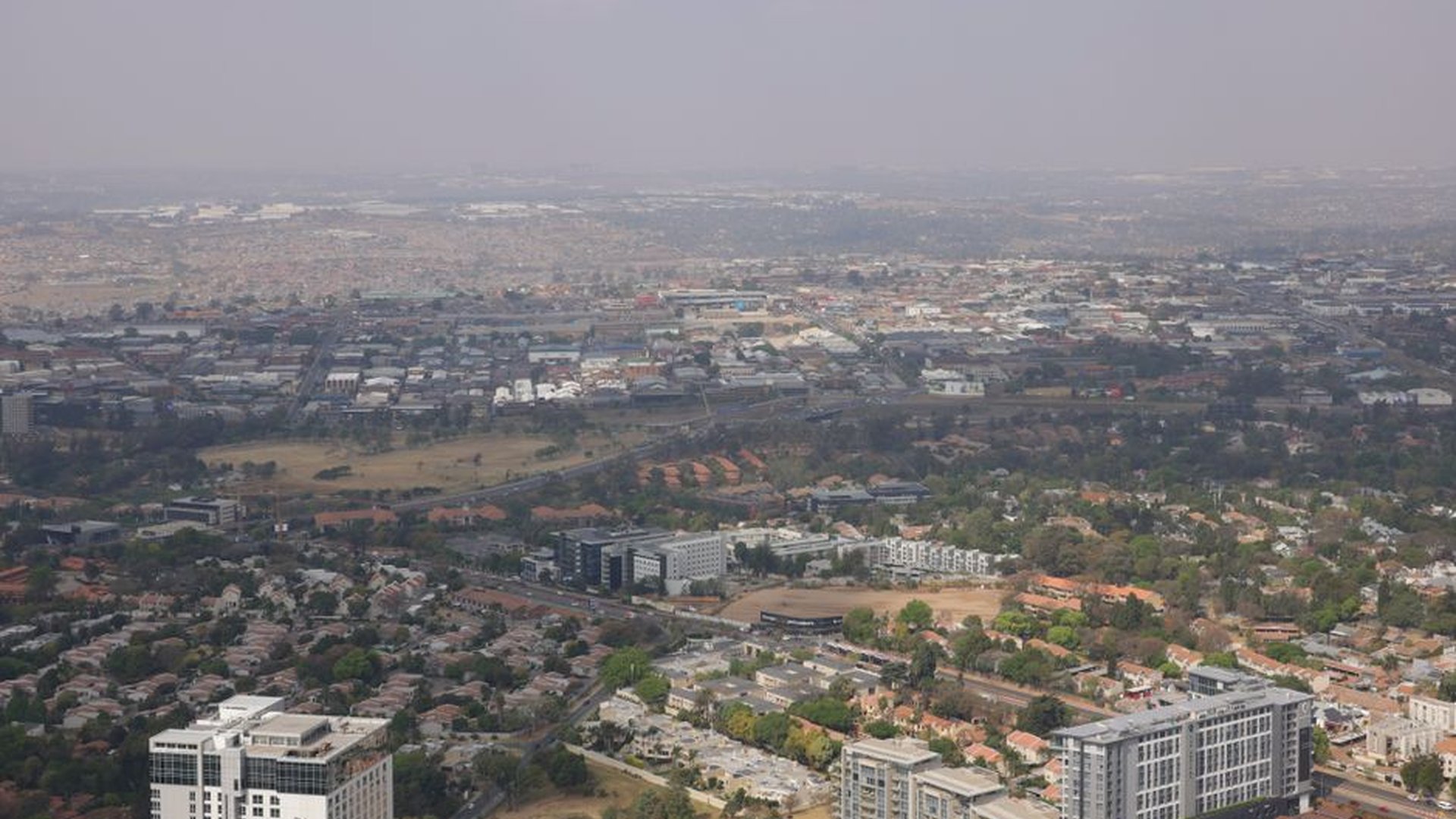
Safety isn’t just about avoiding danger—it’s about peace of mind. In a city like Johannesburg, where the skyline cuts through fog and light, a wrong move can turn a peaceful walk into a stressful one.
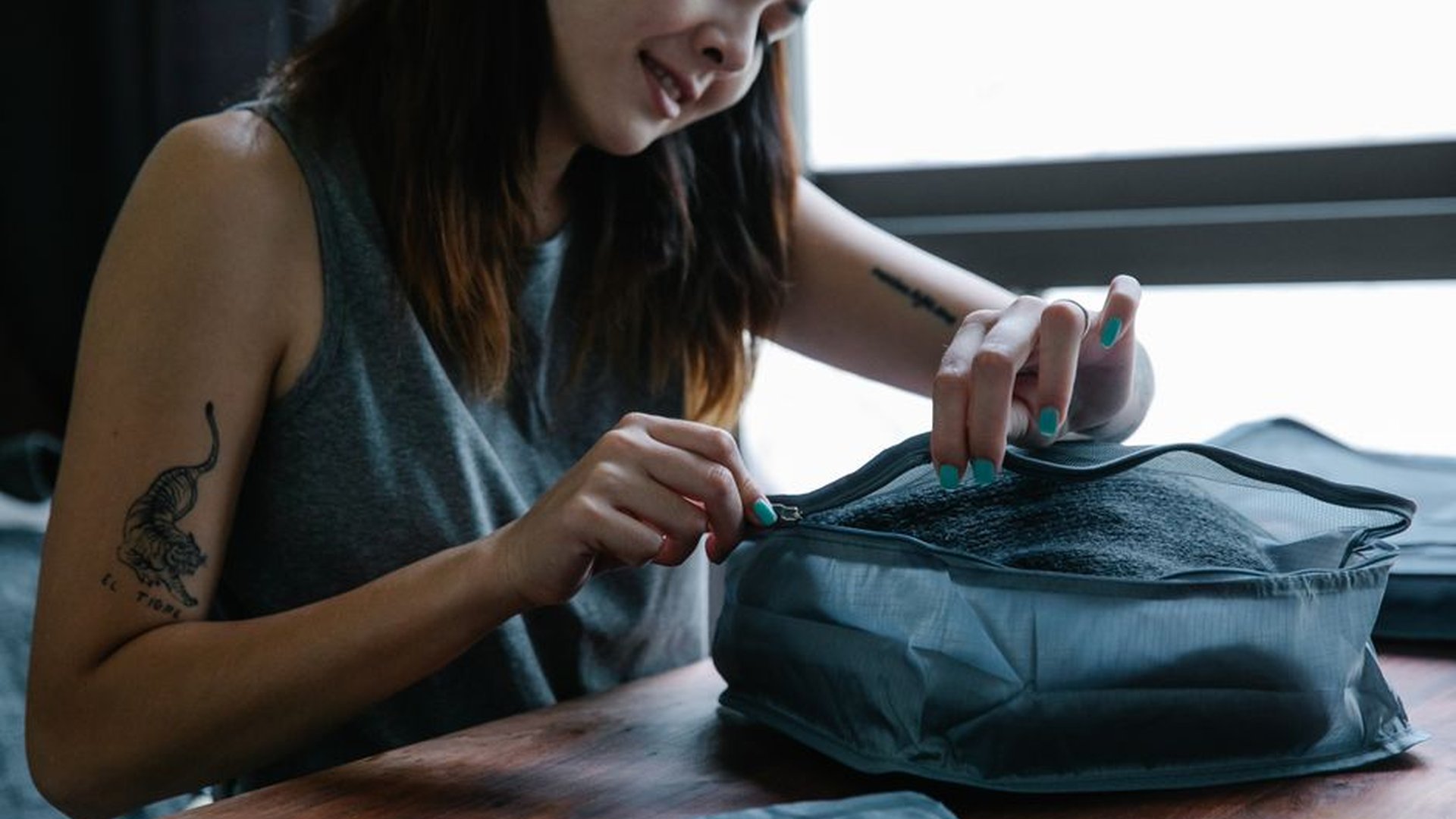
Start with basics: a universal travel adapter (South Africa uses Type N plugs), a sturdy, zip-close toiletry bag, and a small first-aid kit with antiseptic wipes, pain relievers, and an anti-malarial patch if you’re heading to the north. I carry my meds in a clear, labeled pouch—no more fumbling in dark hotel drawers.
Hydration is more than just drinking water. Dehydration hits fast, especially during long drives across rolling savannahs. I carry a 2-liter water bottle with a built-in filter—minimalist, but it saved me in the Kalahari when I ran out of bottled water.
And don’t forget travel insurance. I once had a delayed flight to Soweto, which was meant to be a walking tour. The insurance paid for my overnight stay, got me a replacement tour, and even reimbursed my phone charger, which had been stolen. That moment taught me this: gear isn’t just about what you pack, but what you’re protected by.
Connecting with the Landscape: Tools That Go Beyond the Bag
What separates a tourist from a true traveler isn’t how much they pack—it’s how they connect. I’ve met people who traveled with every gadget known to man and still left Johannesburg with no real memory. But others, carrying little more than a notebook and a camera, returned with full hearts and sharpened senses.
That’s why I don’t just pack for comfort. I pack for presence. I bring a small field guide to local birds and plants. I listen to a local podcast on urban art before stepping into Maboneng. I practice a few phrases in Zulu and Xhosa—’Sawubona’ (Hello), ‘Ngiyapha’ (I am well). It’s not about performance. It’s about respect.
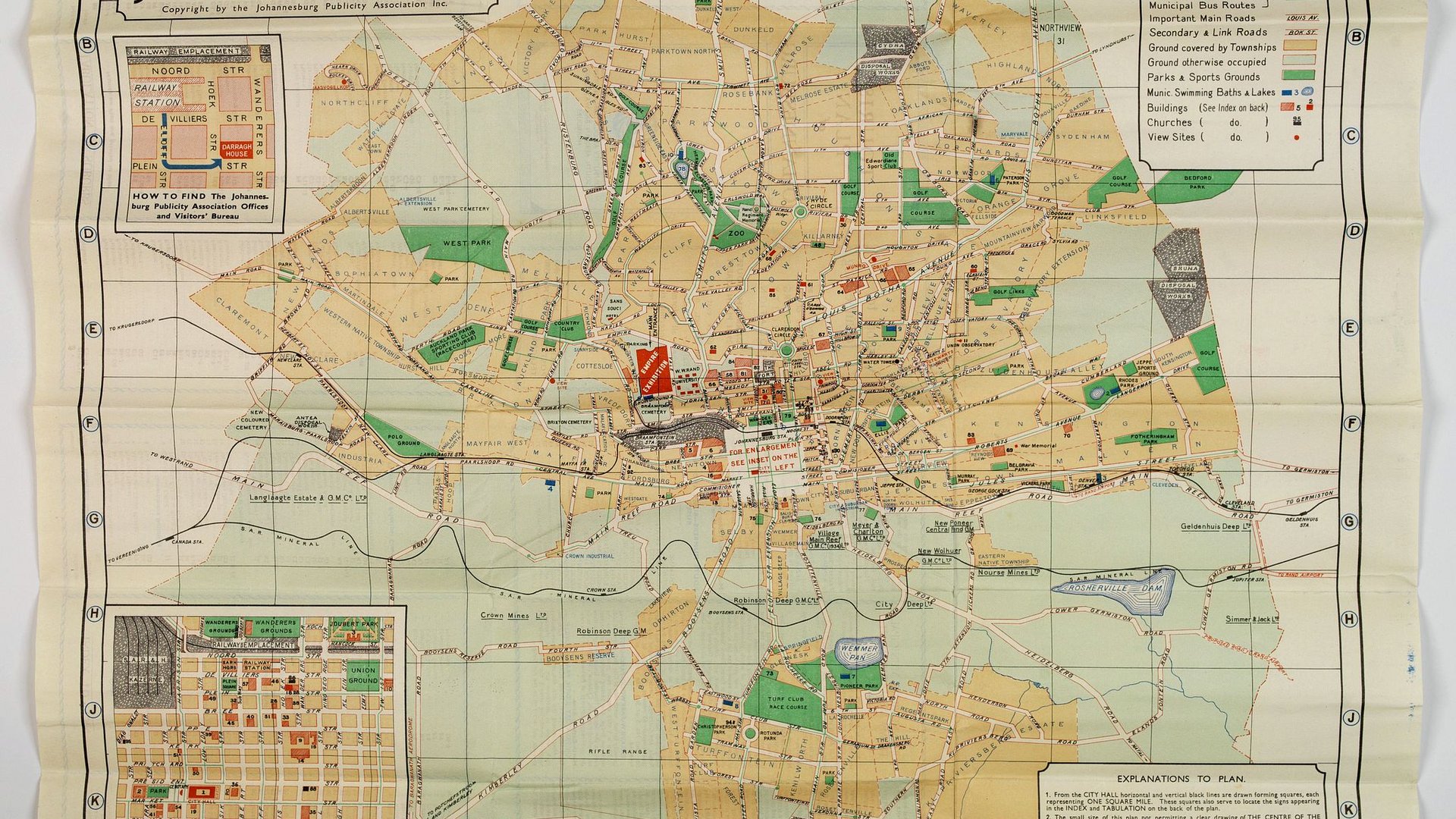
And yes, I still carry the small, folding map of Johannesburg. Not because I need it—but because it reminds me that I’m not just passing through. I’m part of a story.
Johannesburg doesn’t give its soul away to the careless. It demands attention. It rewards the thoughtful. When you prepare not just your gear, but your heart, you’re not just traveling—you’re becoming part of a place. The anticipation is real. The journey is real. And when you stand at the edge of the city’s skyline at twilight, hearing the hum of a thousand lives moving below, you’ll know: you were ready.