Why the Atacama Desert Demands Smart Packing
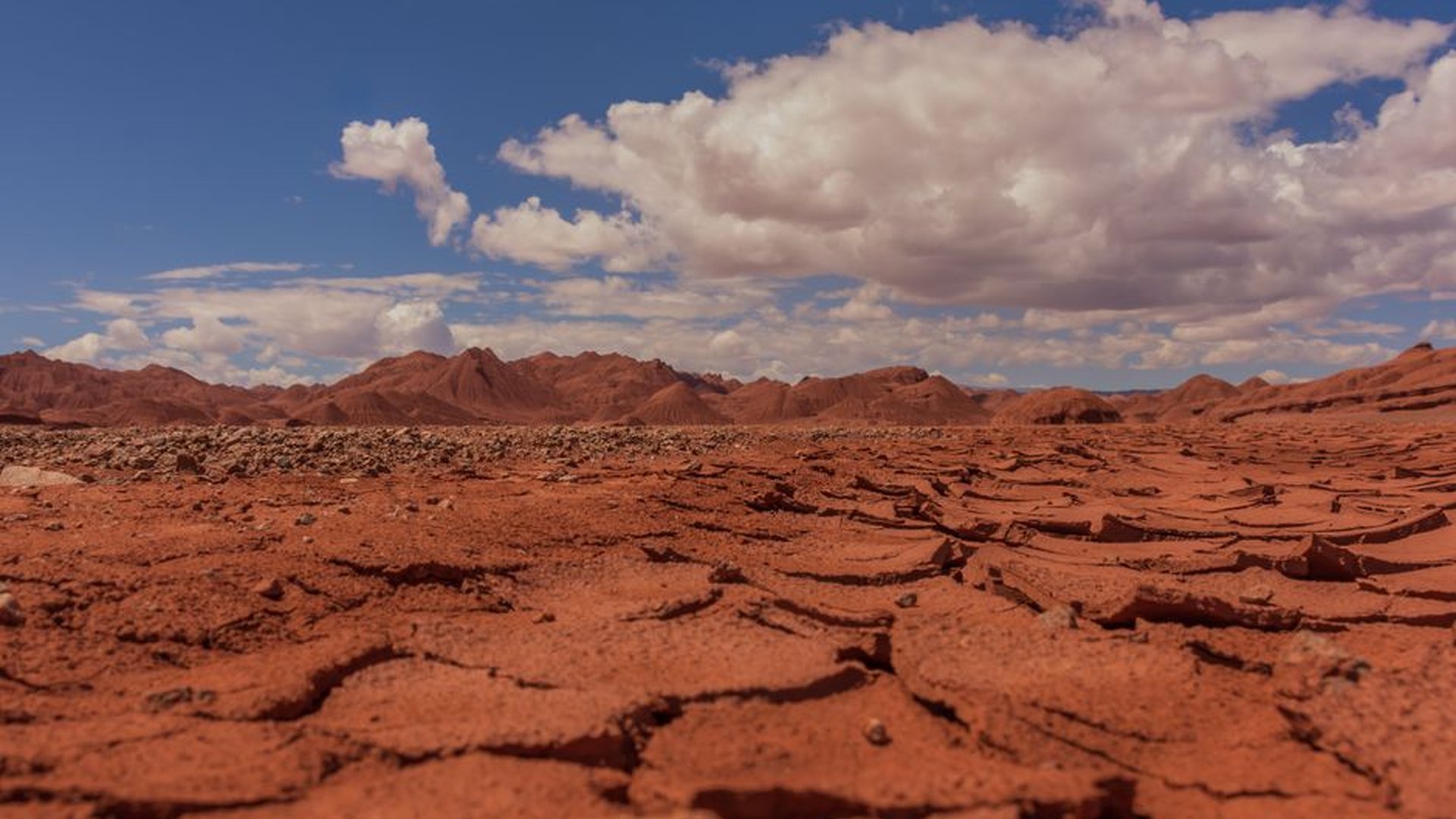
When you step into the Atacama Desert, you’re not just entering a landscape—you’re stepping into a world sculpted by silence and time. As the driest place on Earth, where rain hasn’t fallen in some areas for over 400 years, the Atacama doesn’t just test your endurance—it reshapes your senses. The air here is thin, the sun is unrelenting, and the colors are so vivid they feel almost unreal. But here’s the truth: even the most breathtaking views won’t help you survive the desert if you’re underprepared. That’s why packing smart isn’t a luxury—it’s survival. Whether you’re hiking near the salt flats of Salar de Uyuni or gazing at the stars above the Moon Valley, your gear is your first line of defense. This guide isn’t about filling your suitcase with every gadget you own. It’s about choosing exactly what you need—nothing more, nothing less.
Master the Altitude: Gear That Protects Your Body
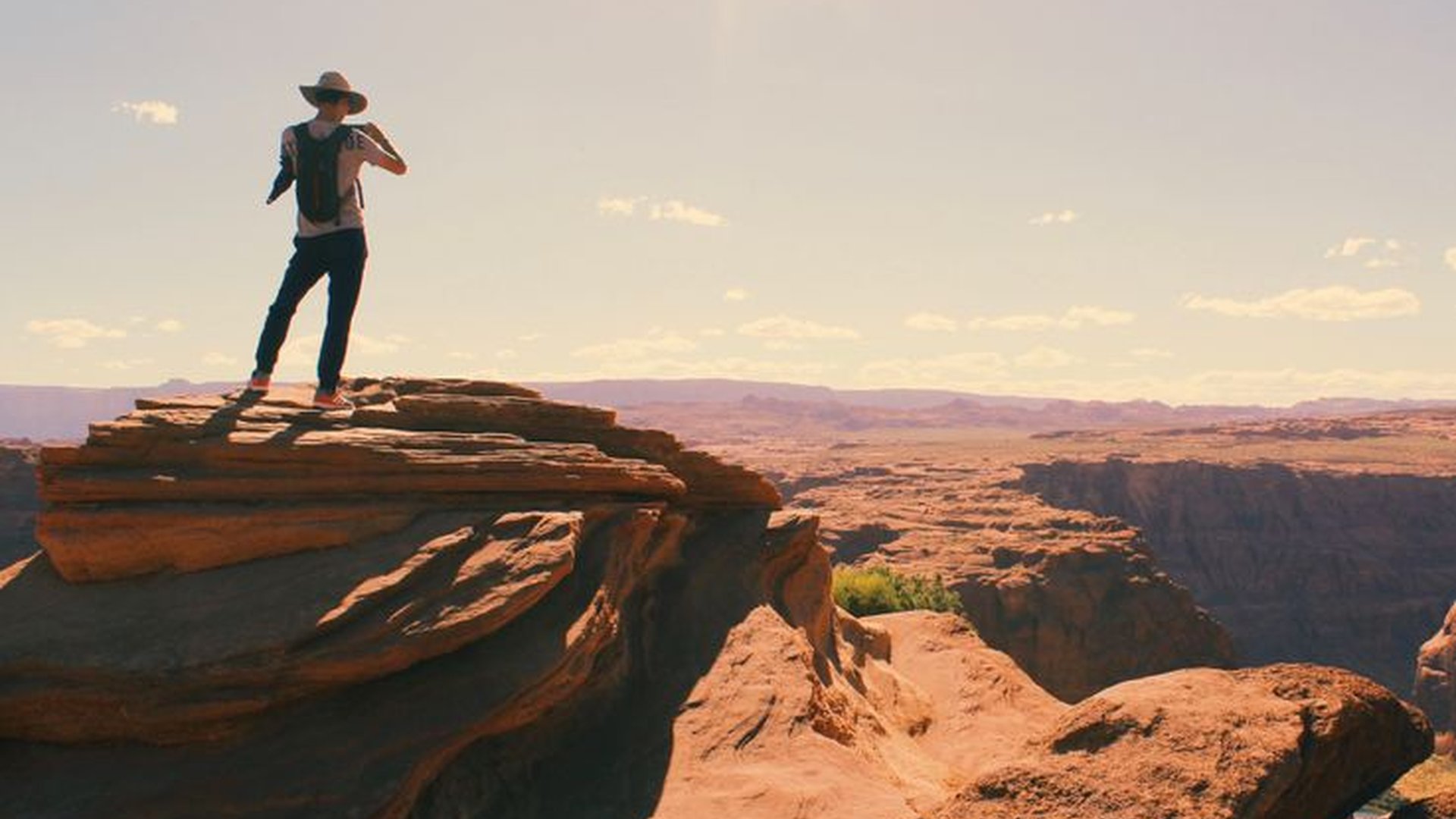
The Atacama isn’t just dry—it’s high. Much of the region sits above 2,500 meters (8,200 feet), and some areas, like the village of San Pedro de Atacama, climb to 2,400 meters. At this altitude, your body feels the difference instantly. The air carries less oxygen, and even a short walk can leave you breathless. The secret isn’t to push through—it’s to adapt. Start with a lightweight, insulated jacket. Not for warmth alone, but for wind resistance and UV protection. The desert wind isn’t just cold—it carries grit, and if you don’t shield your skin, you’ll develop sunburn and chafing in hours. Layering is key: a moisture-wicking base layer, a fleece for insulation, and a weatherproof shell. Also, pack a neck gaiter—yes, it’s not just for hikers, it’s your shield against dust and wind chill. And never underestimate the power of a good hat. A wide-brimmed, UV-protective hat is more than fashion—it’s a lifeline against daily sun exposure. One traveler shared how, on her first morning, she used her hat to wipe dust off her face, not realizing it was the same one she’d used to shield her eyes from the glare. That moment taught her that every item has a story, and every item must earn its place.
Lightweight Luggage: The Art of Carrying Less
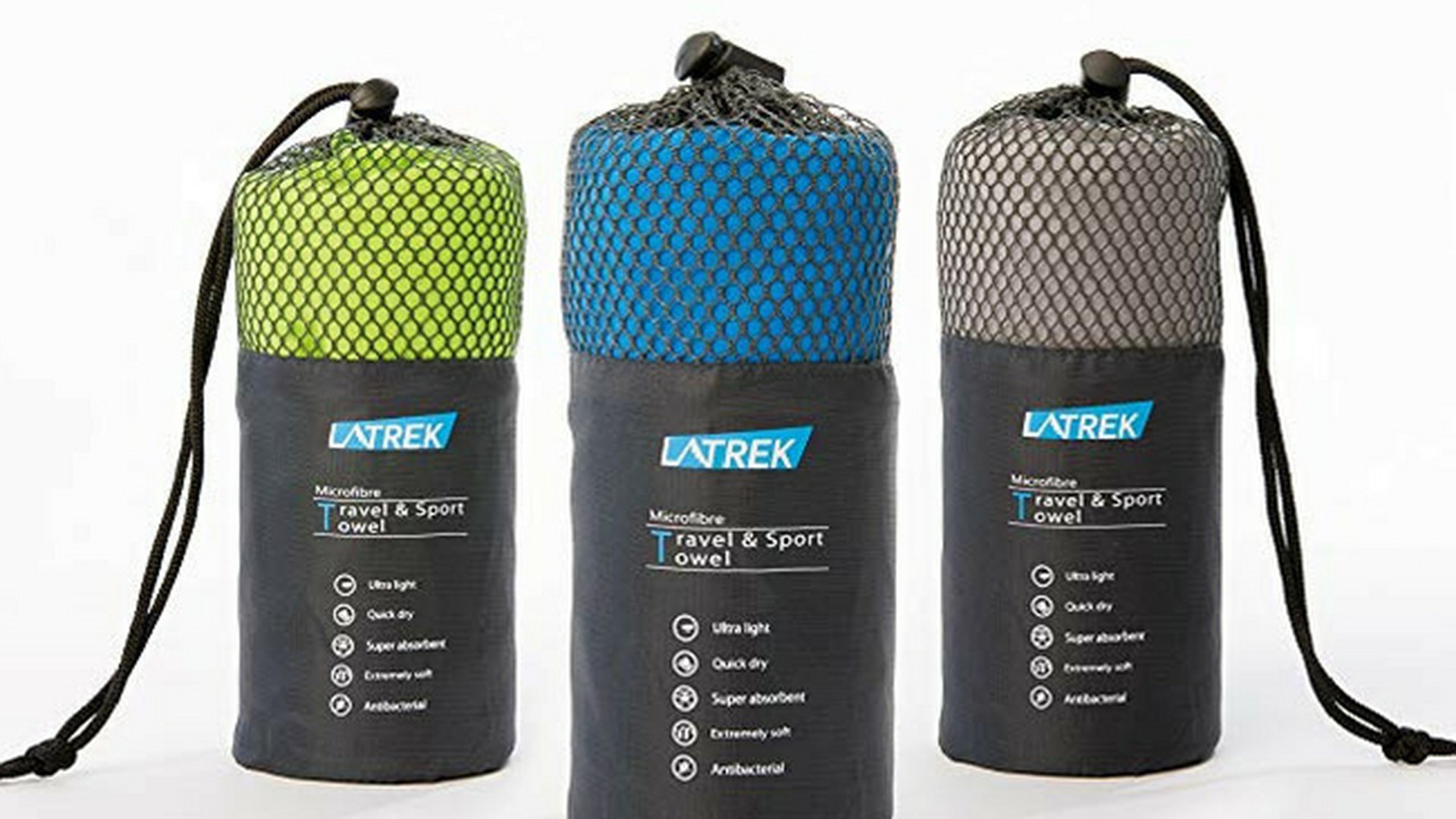
In the Atacama, space isn’t defined by size—it’s defined by purpose. Every item you pack should have a mission. No more stuffing your bag with two pairs of shoes, a full camera kit, and three jackets. Instead, focus on one-purpose, multi-use gear. A travel towel made from quick-drying, odor-resistant fabric can double as a picnic blanket, a sunshade, or even a makeshift sleeping pad. A compact, foldable hiking pack is ideal—light enough to carry for hours, strong enough to hold five days’ worth of supplies. And if you plan to visit remote hot springs, like those near Valle de la Luna, pack a silicone travel bottle with a built-in filter. It’s not just for water—it’s for hot water too, so you can boil tea or make instant soup at altitudes where traditional cooking fails. One couple on a recent expedition used a single dry-bag to carry all their electronic gear, personal documents, and a spare battery. It kept everything dry during a surprise sandstorm that lasted six hours. Their secret? Test your bag’s seal before you leave. The moment you open your suitcase in Santiago, you’ll know if it’s up to the test.
Photography and Navigation Without the Bulk
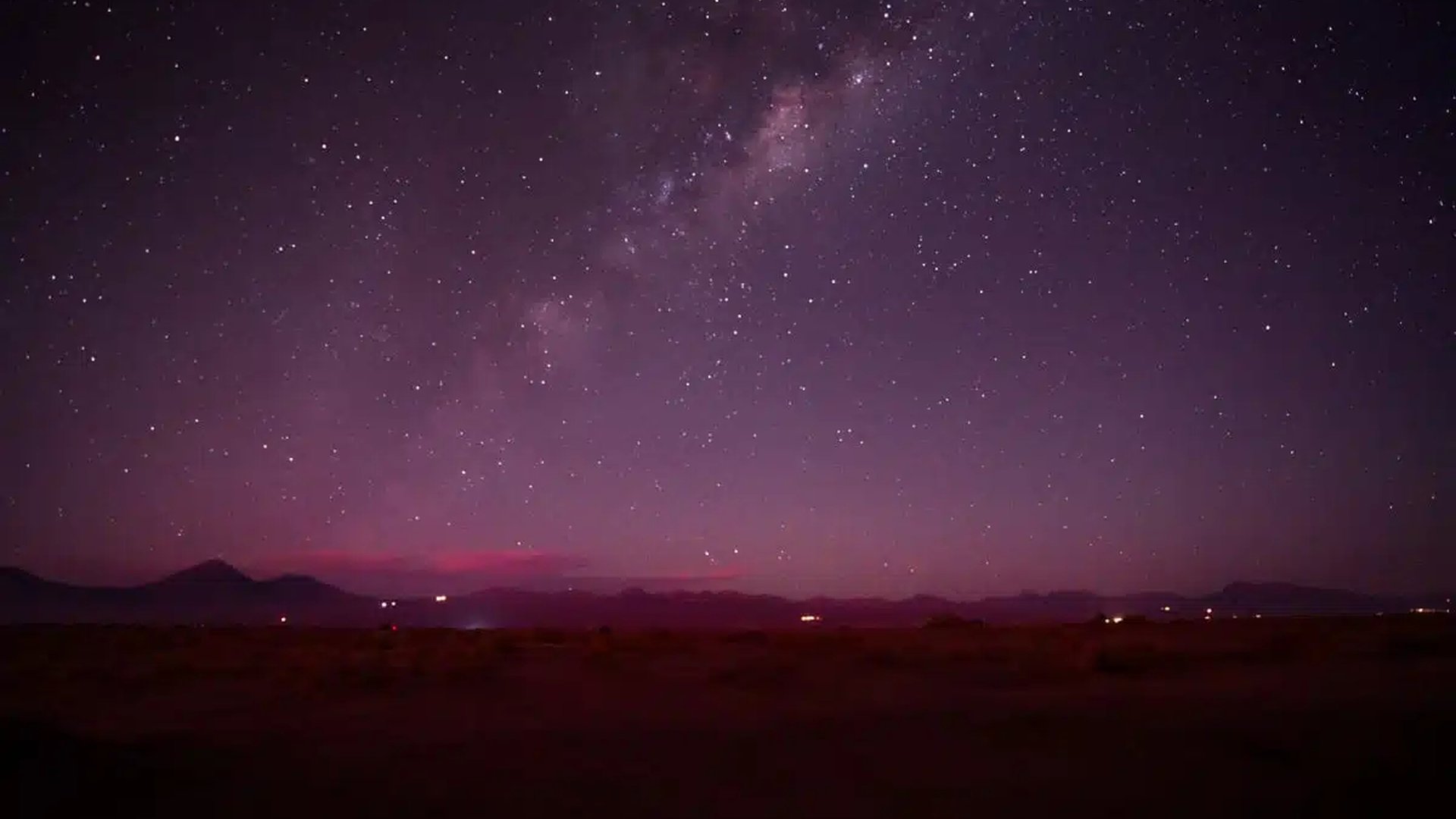
The Atacama is a dream for photographers—but not if you’re dragging a 20-pound backpack loaded with lenses and tripods. The answer? Choose smart, not heavy. A mirrorless camera with a wide-angle lens is ideal: it captures vast salt flats and volcanic peaks in stunning clarity, but weighs less than a tablet. Pair it with a smartphone equipped with a GPS app and offline map storage. That’s right—your phone becomes your compass, not just your camera. Apple users: download maps in advance using the Maps app. Android users: use Google Maps with offline mode. These tools let you navigate through remote valleys and avoid getting lost when cell service vanishes. And if you’re into astrophotography—yes, the Atacama’s sky is famous for stargazing—use a simple tripod and a remote shutter. No need for a professional rig. One photographer used a folding metal stand from a camping store to capture a full moon over the El Tatio geysers. It worked perfectly, and it took only 30 seconds to set up. The point isn’t to have the best gear—it’s to have the right gear.
Survival in Silence: Daily Routines That Protect You
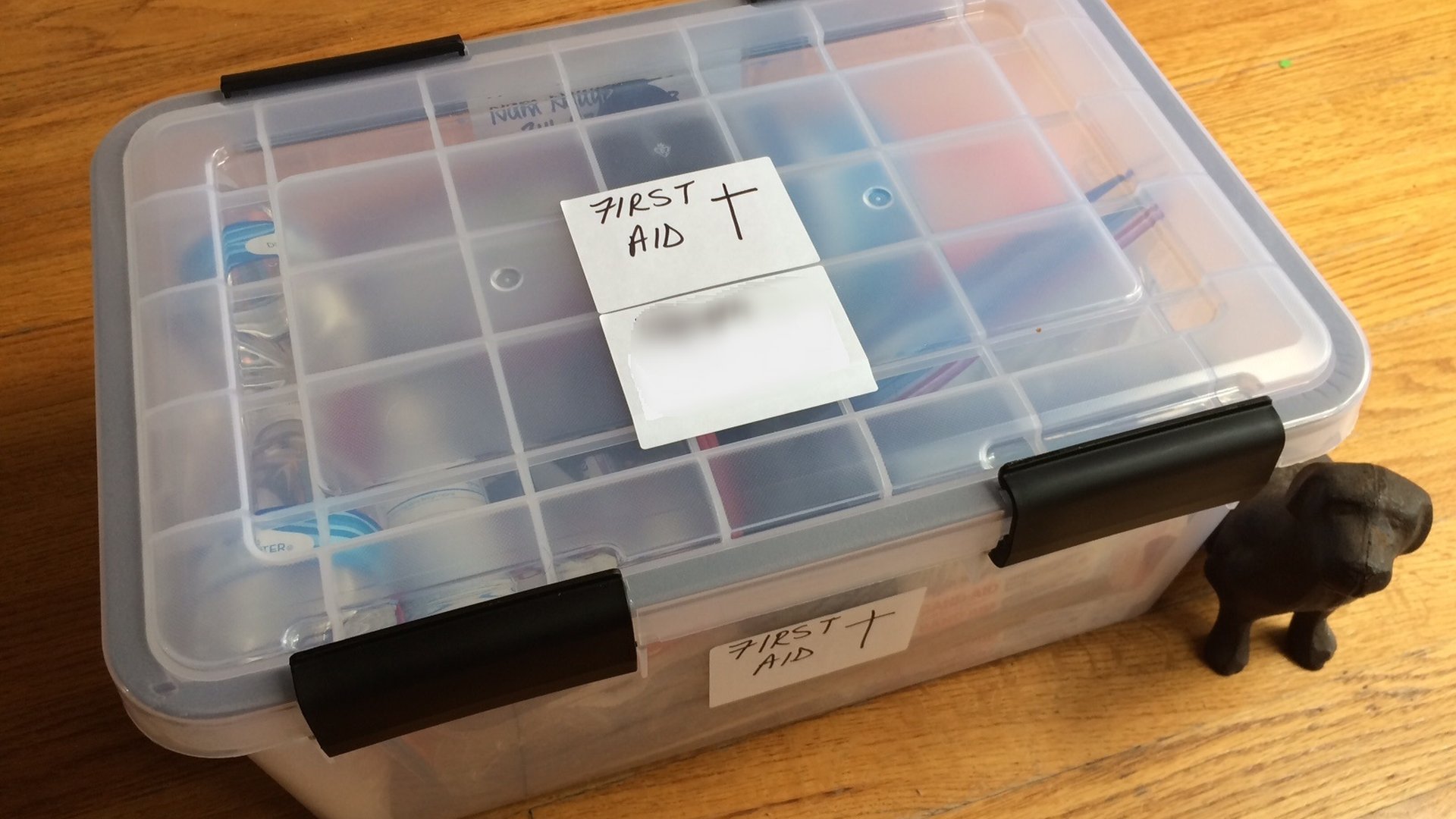
The Atacama’s beauty isn’t just visual—it’s emotional. Many travelers report feeling a shift in mindset after just one night under the stars. But that peace doesn’t come without preparation. Your daily ritual should start before sunrise. Hydration is non-negotiable. Drink at least two liters of water daily—more if you’re hiking. Carry a reusable bottle with a built-in hydration tracker. Set reminders on your phone. One solo traveler, a 42-year-old teacher from Portland, started her day with a warm drink made from dried cactus fruit—naturally sweet, low-sugar, and energy-boosting. She said it helped her stay alert during a 12-kilometer trek to the Valley of the Moon. Also, pack a small first aid kit: pain relievers, blister pads, and oral rehydration salts. They’re not for drama—they’re for practicality. When your body feels off, a single dose of electrolytes can make the difference between continuing and turning back. And don’t overlook skincare. The dry air will crack your lips and flake your skin within days. Use a thick, natural lip balm and a lightweight moisturizer with hyaluronic acid. One woman from Chicago shared how she lost her entire skincare routine to a dusty windstorm—her moisturizer was ruined, her balm melted. She rewrote her rule: always pack items in sealed, travel-sized tubes. She now carries a spare in her pocket. Small victories, big impact.
Final Thoughts: Let the Desert Be Your Teacher
Leaving the Atacama, most people say they felt small. Not because they were weak—but because they saw how vast the world truly is. That feeling isn’t accidental. It’s part of the desert’s design. When your pack is light, your steps are sure. When your gear is smart, your mind is free. The Atacama doesn’t reward excess. It rewards intention. So as you prepare for this journey, remember: packing smart isn’t about what you bring. It’s about what you leave behind. And in that space—between gear and experience—you’ll find the real reason for the trip: connection, clarity, and awe. There’s no better way to begin that journey than with a bag packed with purpose.