Why Malta Is More Than Just a Postcard
When most travelers think of Malta, they picture turquoise coves, ancient temples, and dramatic cliffside views. And yes—those images are real. But what truly defines this island nation isn’t just its scenery; it’s the heartbeat of everyday life. To explore Malta like a local, you need to go beyond the tourist brochures and step into the rhythm of daily routines. I remember walking through the narrow alleys of Mdina on a Tuesday morning, coffee in hand, only to hear a grandmother call out to her grandson in Maltese—a language that holds centuries of history in its soft consonants. That moment told me more about Malta than any guided tour could.
This isn’t a travel article full of flashy highlights. It’s a quiet guide, built from real experiences, to help first-time visitors navigate the island with ease, respect, and curiosity. Whether you’re arriving by ferry from Sicily or landing at the airport in Valletta, these 10 practical tips will help you move through Malta with less stress and more meaning.
Time Your Visit for the Real Malta
The high season in Malta—June to August—brings stunning weather and clear skies, but it also brings crowds and heat. To experience the island like a local, visit in late April, May, or early September. That’s when the temperature hovers around 22–26°C, the sun is warm but not scorching, and most tourists have already left.
I stayed in a guesthouse in Sliema during mid-May and stumbled on a local festival—Feast of the Assumption—where residents baked and shared pastizzi, the savory pastries filled with ricotta and peas. No signs, no ads, no tourists. Just locals passing out food on stone balconies, laughing as kids chased pigeons in old town courtyards. That’s the real Malta. It’s not about seeing more—it’s about seeing deeper.
Use the Bus, Not the Rental Car
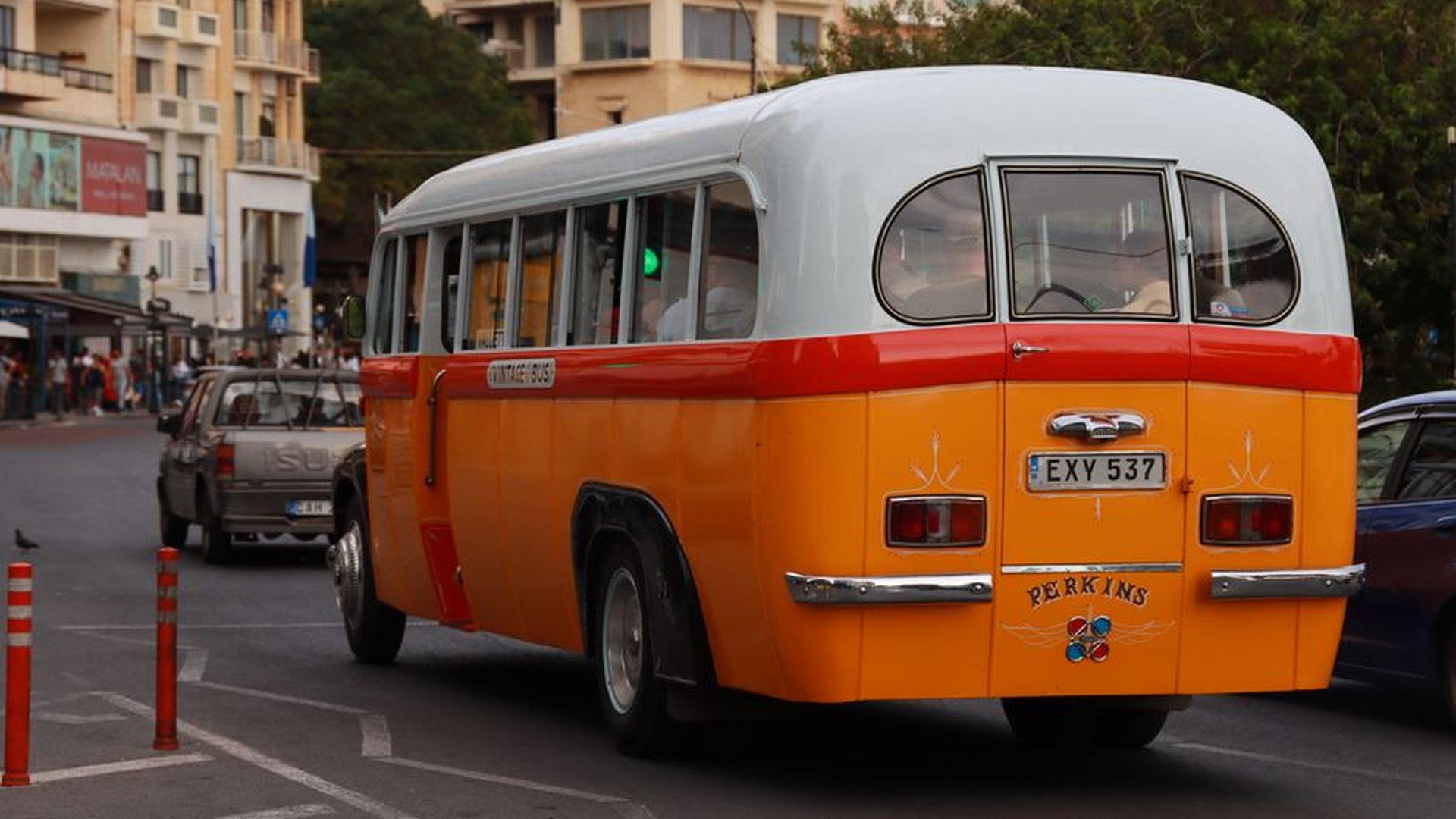
Malta runs on buses. Not because it’s eco-friendly—it’s because it’s practical. The island is small, and roads can be narrow, winding, or poorly marked. Renting a car might sound tempting, but for first-time visitors, it’s often the opposite of relaxing.
Instead, grab a Go Ahead ticket from a local kiosk or use the official app. The 201 bus runs from Valletta to the east coast, stopping near the Azure Window ruins (now known as the Blue Lagoon area), and costs under $3. You’ll pass fields of wild herbs, goats grazing on hills, and mid-century homes painted in faded blues and yellows. Better yet, you’ll share the ride with locals who’ll point out hidden spots: the old fish market in Marsaxlokk, a secret cove near Fomm ir-Rih, or where to find the best fresh mint tea in the countryside.
Learn a Few Maltese Phrases
Maltese is a unique language—half Arabic, half Italian—with roots stretching back to the 15th century. While English is widely spoken, saying just two words—”Bongu” (good morning) or “Tafakkar” (thank you)—can open doors. I once asked an elderly woman in Rabat for directions to a forgotten church. I said “Tafakkar” as I thanked her. She smiled, handed me a piece of chocolate, then whispered, “Kien is-seħħ.” (It’s a good day.)
Don’t worry about perfect grammar. Just say “Kif inti?” (How are you?) with a nod. Locals appreciate the effort. And if you hear someone saying “Kulħadd ħejjel” (Anyone here?), it’s a quiet way to ask, ‘Is anyone around?’. These aren’t just phrases—they’re traditions.
Visit the Lesser-Known Towns
Most first-timers head straight for Valletta, the capital, or Gozo, the nearby island. But the soul of Malta lives in places like Naxxar, Żebbuġ, and Dingli. These towns aren’t on every travel blog, but they offer a slower, more intimate rhythm.
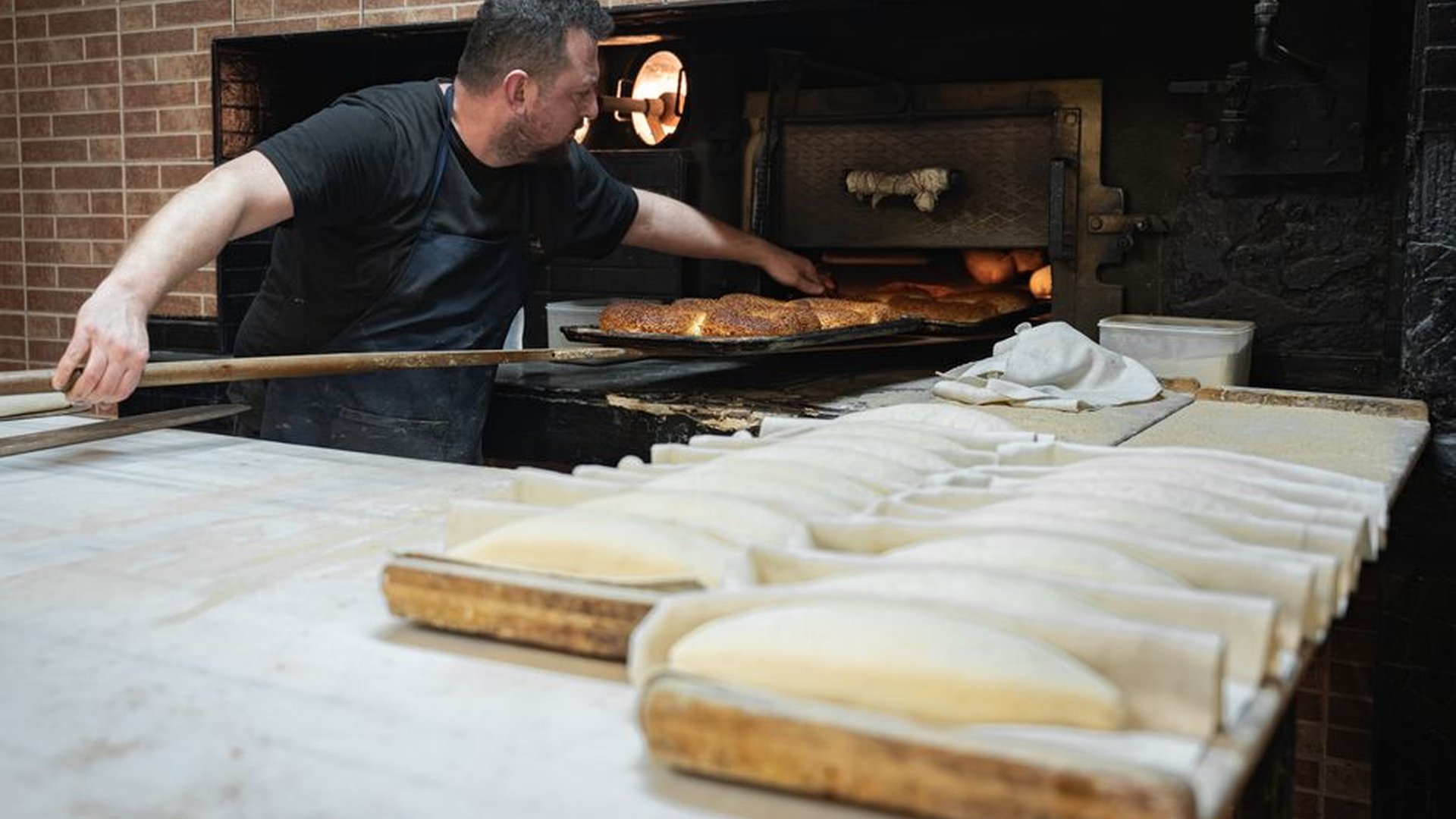
In Naxxar, I spent an afternoon at a family-run bakery. The baker, Luigi, let me help roll out dough for fresh kontomda bread. As we worked, he told me about festivals, ruined watchtowers, and why the local cheese tastes better when made in June. Later, I walked through rolling vineyards and found a 17th-century chapel with no lights, no crowds—just sunlight filtering through cracked stained glass. That’s the magic: the beauty you don’t find on Google Maps.
Try the Food Like a Local, Not a Tourist
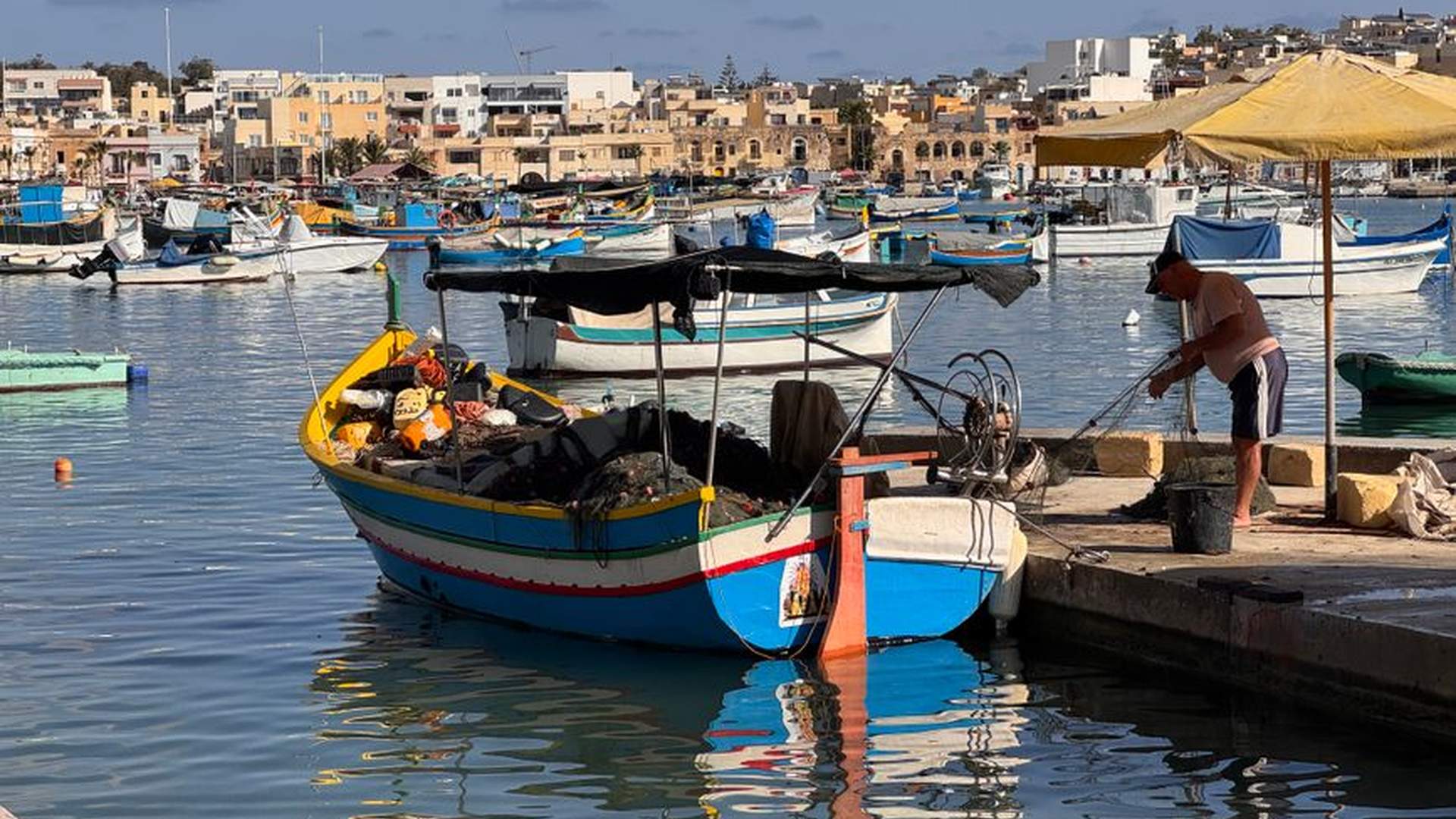
Most visitors eat at tourist restaurants, but the real Maltese food is served in homes, alleyway eateries, and fish vendors on moonlit docks. Don’t skip the *lampuki*—a local fish often grilled and served with capers and lemon. I met a fisherman in Marsaxlokk who caught his own every morning. He offered me a grilled fillet on a wooden tray. No menu. No plate. Just fire, salt, and the smell of sea breeze.
Also, look for family-run osterias. In the village of Qrendi, I dined at a tiny place called Il-Kantun. The owner, Maria, served me a salad of wild fennel, olives, and sun-dried tomatoes—ingredients she picked that morning. She didn’t speak much English, but her hands did all the talking. That meal cost less than $10 and stayed with me for weeks.
Embrace the Slow Pace
Malta is not a place to rush. It’s a place to pause. Locals never seem stressed, even during the hottest hours. They sip coffee at outdoor cafés, watch the sun set over the harbor, or sit on stone steps, reading old books.
One evening in Ramla, I sat on a wooden bench near a quiet courtyard. A man played a lute, and kids played tag through the shadows. No music, no noise—just silence, and the breeze. That’s when it hit me: the secret to exploring Malta isn’t in how much you see, but how much you feel. Let your days stretch. Walk slowly. Breathe.
Malta isn’t just a destination. It’s a feeling. And if you go with an open mind, a little curiosity, and these simple habits, you’ll leave not just with memories, but with a piece of the island’s quiet soul.