Why Packing Light Opens the Door to Slow Travel in Luang Prabang
When you step into Luang Prabang, a city cradled by the Mekong River and enclosed by emerald hills, the pace of life slows almost instantly. The morning sun spills over ancient temple roofs, monks in saffron robes walk barefoot through dusty streets, and the scent of fresh jasmine floats on the air. To truly feel this rhythm, you must leave behind the weight of overpacking. Your suitcase should not carry your stress—instead, it should carry only what helps you stay present. In Luang Prabang, slow travel isn’t a choice; it’s a philosophy. And it begins with what you bring.
The city’s narrow alleys, wooden balconies, and quiet riverside paths demand movement that’s unhurried, thoughtful, and barefoot-ready. When your bag is too full, your steps grow heavy, your mind distracted. But when you pack light—three to four outfits, a single travel towel, and a foldable backpack—you gain something far more valuable: freedom. You’re not dragging your luggage through sticky markets or up steep temple steps. You’re free to pause, to watch a village woman weave a lotus flower into her hair, to sit on a wooden bench and drink bitter, sweet local coffee as the clouds gather over Mount Phousi.
This isn’t about compromise—it’s about clarity. Let your clothes, your gear, your evening sandals be silent companions, not loud reminders of everything you’ve left behind.
Essentials for the Warm Climate: Breathable, Neutral, and Easy to Mix
Luang Prabang sits in a tropical lowland zone, where temperatures climb to 35°C (95°F) during the day and humidity wraps around you like a soaked cloth. What you pack should not fight the climate—it should surrender to it. Choose lightweight, natural fabrics: cotton, linen, and rayon. These materials not only breathe but also dry quickly, which is essential when you’re walking barefoot to the river after a long temple tour.
Your color palette should be neutral: white, cream, beige, soft gray, or earth tones. These tones blend with the local landscape—the weathered wood of old wooden houses, the mossy stone of temple foundations, the deep green of rice paddies. They’re also practical. A white linen shirt will fade less in the sun than a bright blue one, and you’ll easily find matching pieces across different shops or markets.
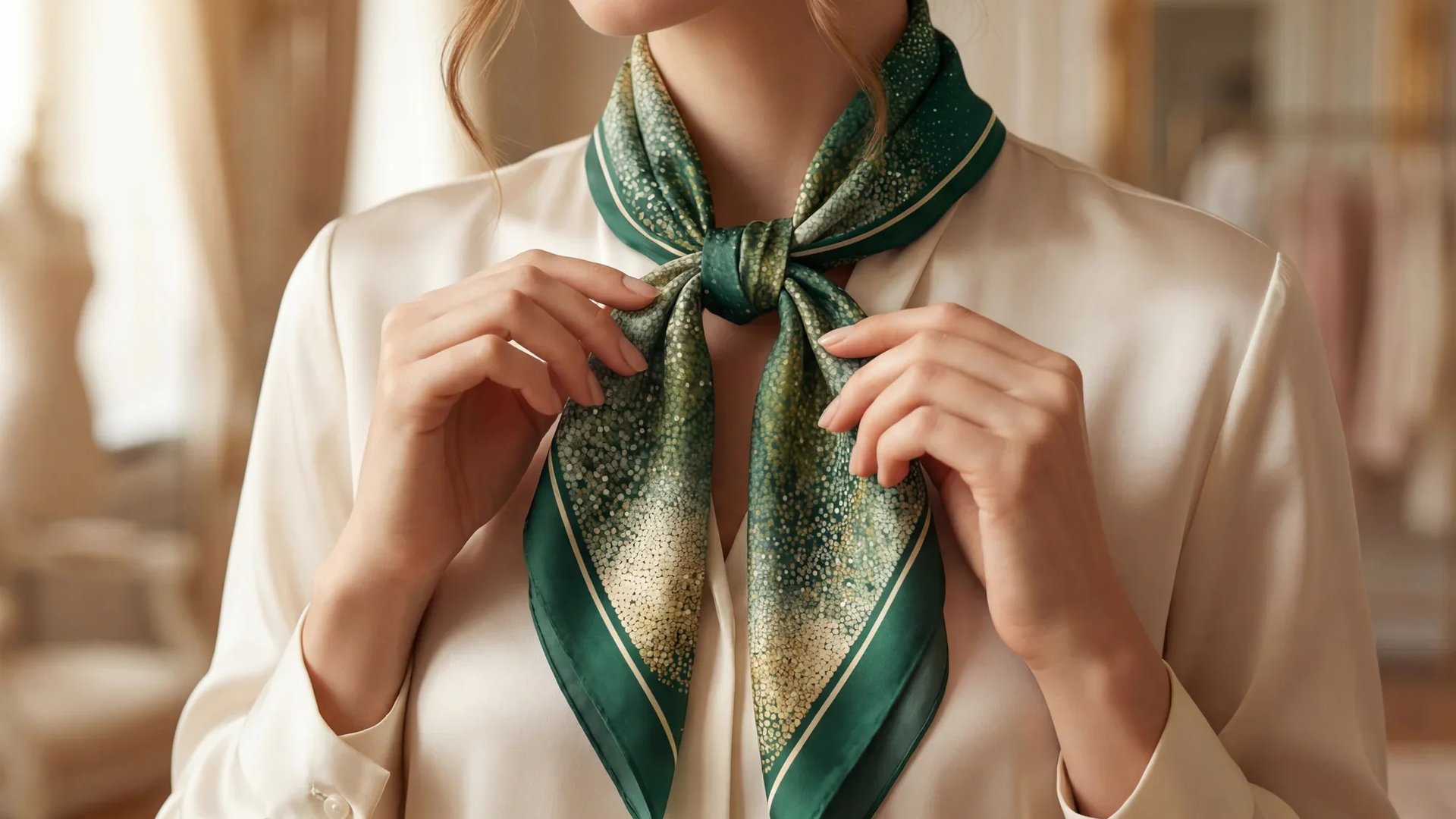
Don’t overthink your outfits. A simple silk scarf tied around your neck doubles as a sun shield, a prayer offering, or a quick drying towel. Pack one long-sleeve shirt for temple visits (to cover shoulders and knees), one pair of quick-dry shorts, and two lightweight tops. Mix and match. Rotate. Let one pair of sandals last through three days—no need to overpack.
And for evenings? Bring a light, long-sleeve wrap or open-front tunic. The nights can be cool near the river, but rarely cold. The wind often comes soft from the Mekong, carrying sounds of monks chanting in the distance.
Footwear: Prioritize Comfort Over Style
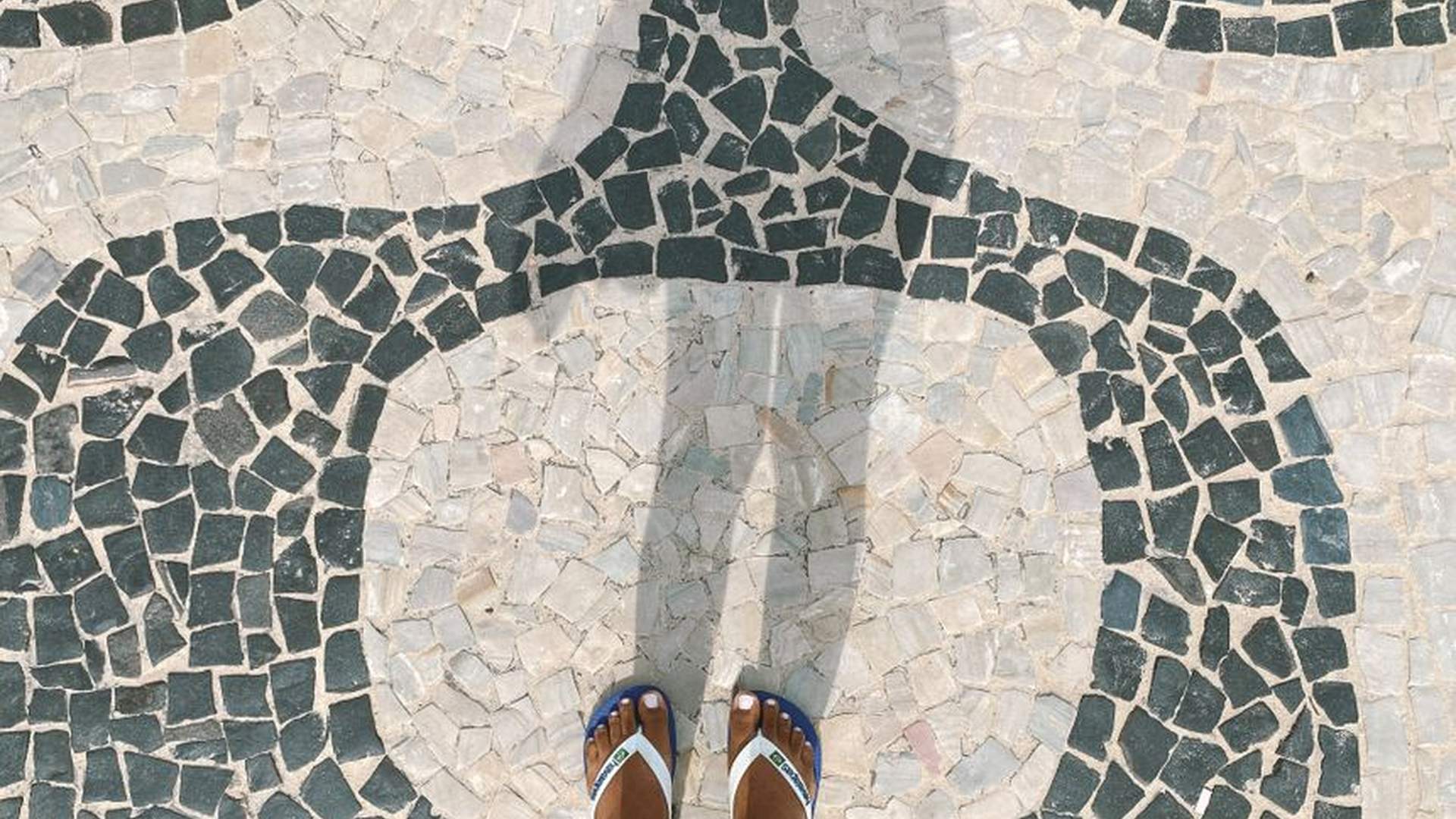
In Luang Prabang, your feet are your most trusted travel companion. You’ll walk through temple courtyards with polished stone flooring, climb hundreds of steps to the top of Phousi Mountain, and wander through morning markets where the ground is cracked mud and hot sand. Shoes that look stylish on Instagram may last five hours before blisters form.
So, leave high heels and pointed shoes behind. Instead, pack one pair of well-broken-in, water-resistant sandals with good arch support—think Teva-style, but made from natural fibers. These are perfect for walking to the night market, wading into the Mekong to cool your feet, or sitting on a wooden dock watching sunsets.
If you’re planning to visit nearby villages like Ban Chiang or the mountainous hills of Phonsavan, a lightweight hiking shoe with traction is smart. But for most travelers, sandals are ideal. And if you’re staying in a guesthouse or homestay with wooden floors, you’ll appreciate being able to go barefoot without worry.
Pro tip: Always carry a dry pair of socks in your bag. Even if you’re not planning to walk far, the hills, the dust, the humidity—they all take their toll.
Camera and Gear: Less Is More, but Capture the Moment
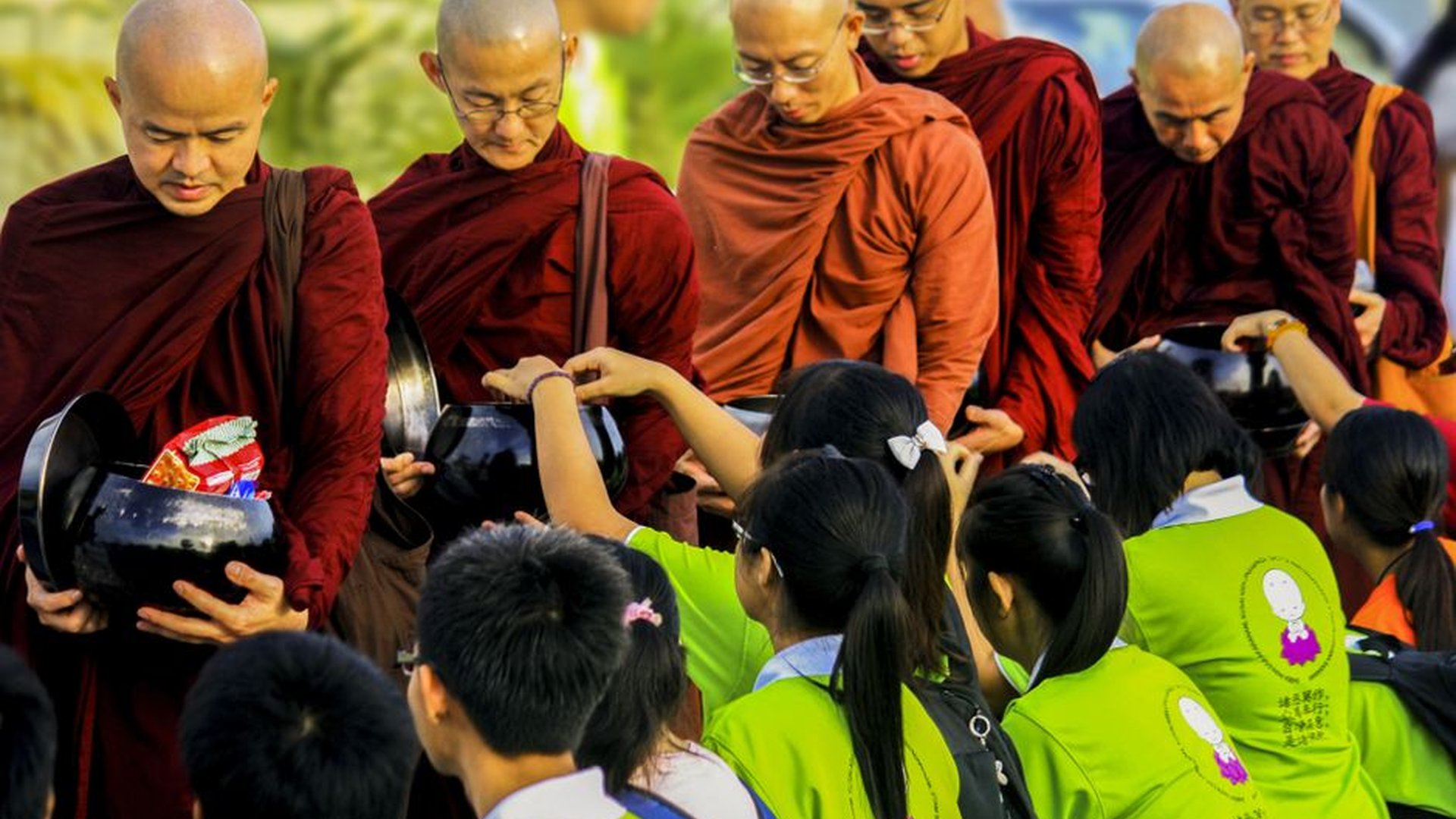
You don’t need a professional DSLR to capture Luang Prabang’s soul. The beauty here isn’t in perfectly framed landscapes—it’s in stolen moments: a child laughing as he holds a fresh coconut, a monk offering alms to an old woman, the way light bends through wooden temple latticework at 5 p.m.
So why bring a heavy camera bag? Instead, use your smartphone with a simple lens attachment (like a 24mm wide-angle) and a small tripod for night shots. The camera on most modern phones is more than enough for milky sunsets over the Mekong, portraits of local women at the market, and the delicate glow of candle lanterns during the Boun That Luang festival.
But if you do want to bring a camera, keep it small—a mirrorless or compact point-and-shoot. Store it in a waterproof, padded sleeve inside your backpack. Don’t use a bulky bag that draws attention or weighs you down. The goal isn’t to impress with gear; it’s to capture memory, not check a box.
And don’t forget a small power bank. Religious sites and quiet guesthouses rarely have outlets. You’ll need it to keep your phone charging through morning temple walks and evening riverside strolls.
Respect and Connection: Pack with Intention, Not Just Items
Packing for Luang Prabang isn’t just about clothes and tools—it’s about mindset. This city, once the royal capital of Laos, is steeped in quiet ritual, spiritual tradition, and a deep sense of community. To travel here means to move gently, to observe without judgment.
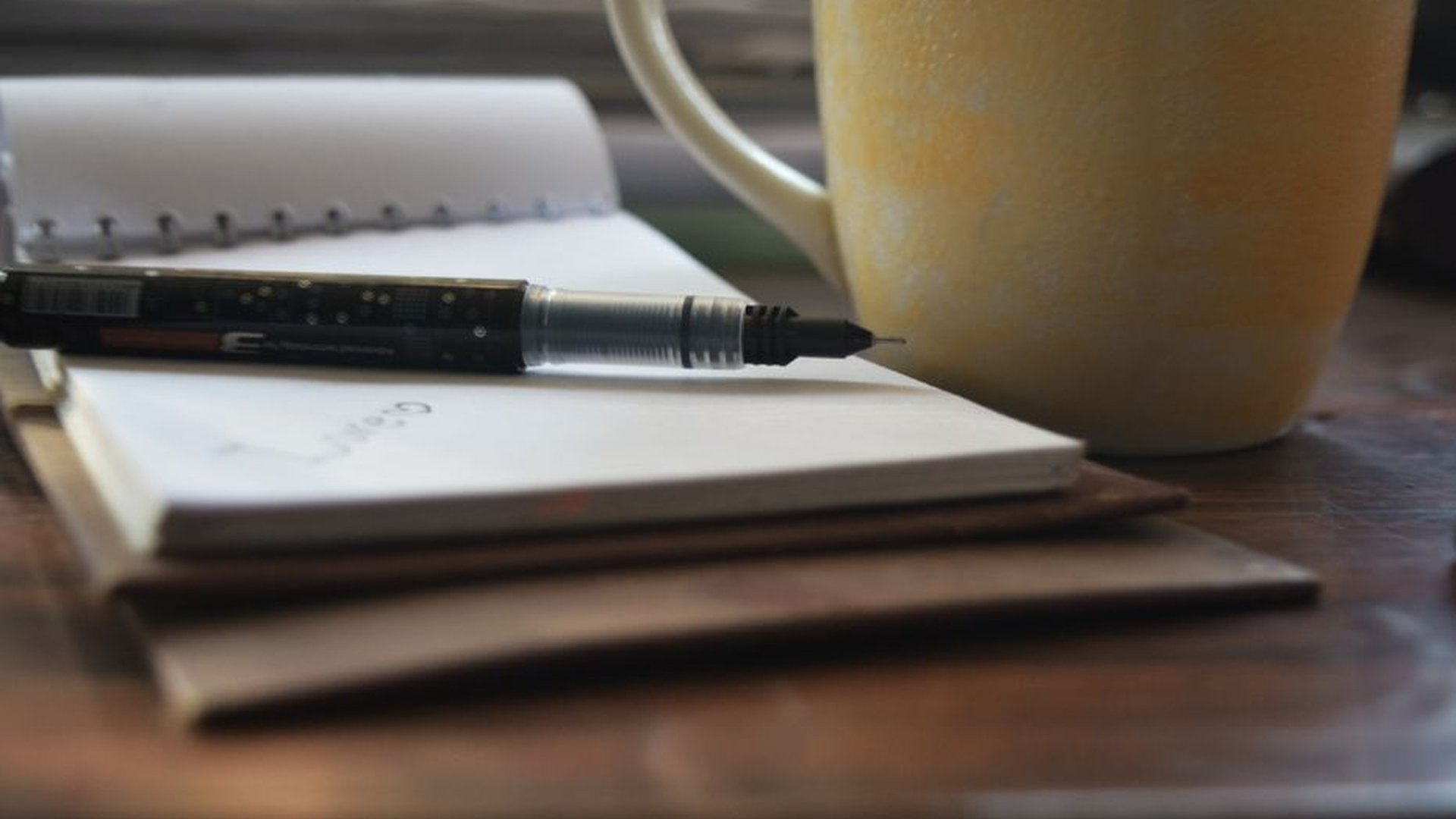
Carry a small notebook. Write down one phrase each day—‘The sky turned lilac at 6 p.m.’ or ‘A monk smiled as I passed him a piece of fruit.’ These aren’t for posting, they’re for feeling. They ground you.
Bring a reusable water bottle. Refill it at local shops or hotels. Avoid single-use plastic. Luang Prabang has no traffic jam, but it does have rivers, and protecting them is a local value.
And if you’re bringing gifts—tea, local sweets, or a small handmade item—pack them in a clean, reusable cloth. Don’t wrap in paper or plastic. Offer them with a smile, not a receipt.
When you arrive, you’ll realize that the most powerful thing you packed wasn’t in your bag at all. It was curiosity. It was patience. It was the willingness to stay quiet and listen.
So when you finally pack your bag for Luang Prabang, don’t ask what you’ll need. Ask what you’re willing to leave behind. Because in this city, the journey isn’t how far you go—it’s how open you stay.