The Roman Echoes Beneath the City Streets
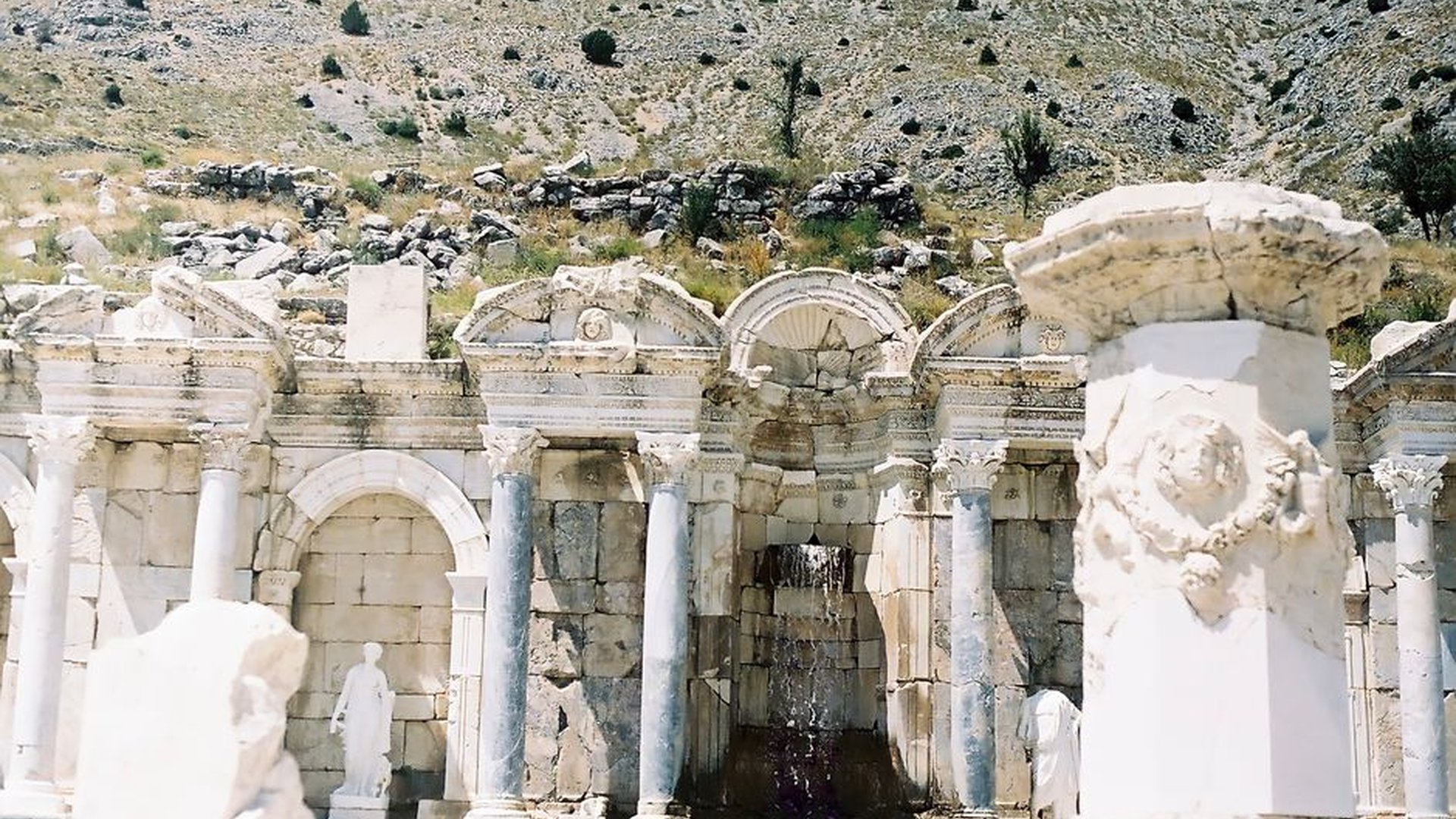
Tucked into the rolling hills of southwestern England, Bath isn’t just a pretty postcard—it’s a living timeline. As you walk across the cobbled lanes of the city center, you’re not just passing by buildings. You’re treading on centuries of history. The centerpiece? The Roman Baths—a complex built over 2,000 years ago, when the Romans discovered the natural hot springs bubbling beneath the earth. Today, you can still stand at the edge of the Great Bath, the same stone basin where emperors once soaked in the warm waters. The steam rises from the floor, and for a moment, it’s easy to imagine the rustle of togas, the hush of prayer, and the soft splash of water as Romans bathed under the same vaulted ceiling that still stands today. Few places in the world let you feel history like this—where every stone whispers a story, and the air carries the scent of ancient ritual.
Georgian Elegance Meets Modern Soul
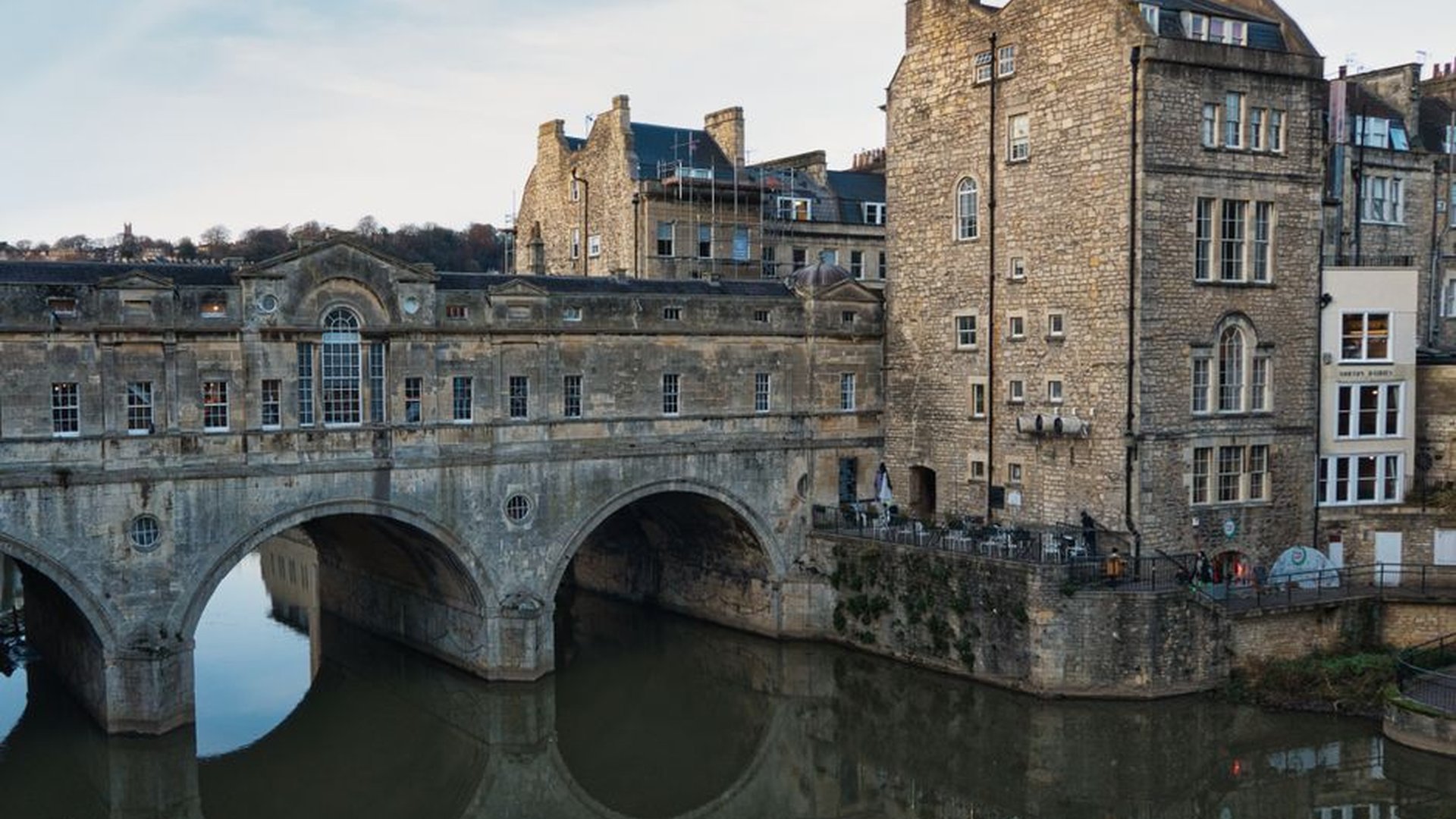
But Bath isn’t trapped in the past. It breathes. Its heart beats with the grace of Georgian architecture—clean lines, symmetrical facades, and hushed elegance. Pulteney Bridge, with its shop-lined stone arches, isn’t just a crossing—it’s a piece of art. Built in 1774, it’s one of only a few bridges in the world with shops on both sides, and it still stands, guarding the River Avon like a guardian of time. As you wander past the Royal Crescent, a crescent-shaped row of 30 stately townhouses, you’re not just looking at buildings—you’re witnessing a masterclass in urban design. Each window, arranged perfectly to face the sun, reflects the harmony that Georgian planners believed was essential to civilized life. Yet, beneath the polish, Bath still feels human. Cafés spill out onto pavements, local artists sell watercolors on street corners, and children chase pigeons through the town square. It’s not a museum on display—it’s a city where old and new share the same pavement.
The Warmth of the Waters: A Ritual, Not Just a Bath
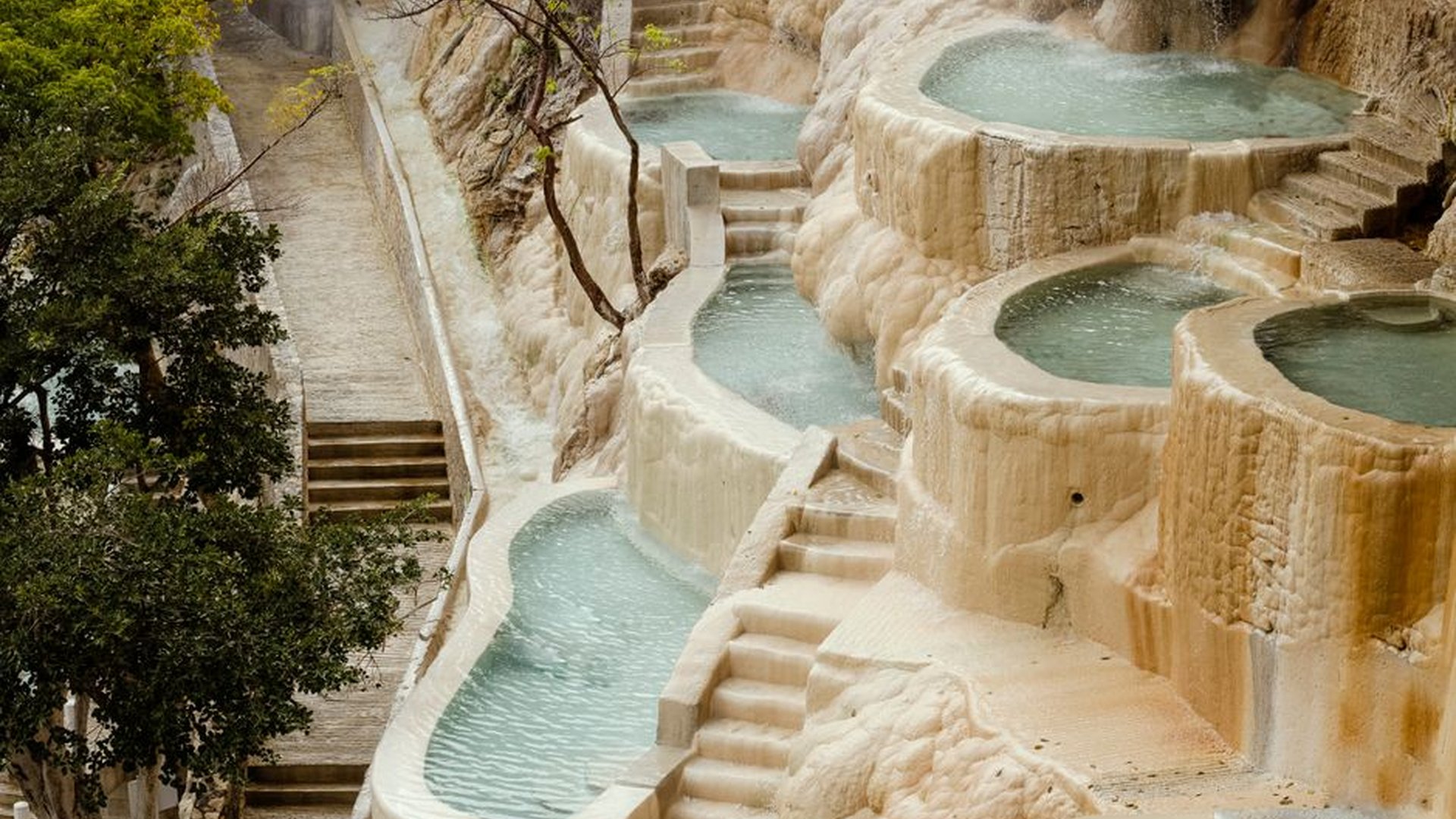
What makes Bath more than just a pretty town? It’s the warmth. Literally and metaphorically. The natural thermal springs, which rise from deep beneath the Somerset hills, carry a constant 42°C (107°F). For centuries, people flocked here not just for beauty, but for healing. In the 18th century, Bath became a fashionable destination for the elite seeking cures for everything from rheumatism to melancholy. The waters were believed to restore both body and spirit. Today, while you don’t need a royal appointment to dip in, the experience holds a ritual quality. At the modern Thermae Bath Spa, you can choose from a series of glass-walled pools, each with a different temperature, view, and purpose—some nestled between mossy stones, others framed by views of the city skyline. As you float in the hot mineral water, wrapped in the quiet hum of nature and soft music, it’s not just your body that relaxes. Your mind slows. The buzz of modern life fades into the background. In this moment, you’re not a tourist. You’re a guest in a tradition older than most nations.
The Art of Slowing Down
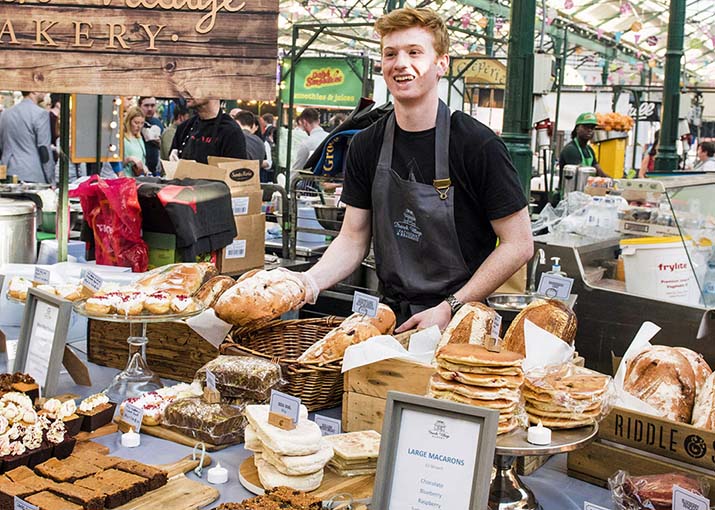
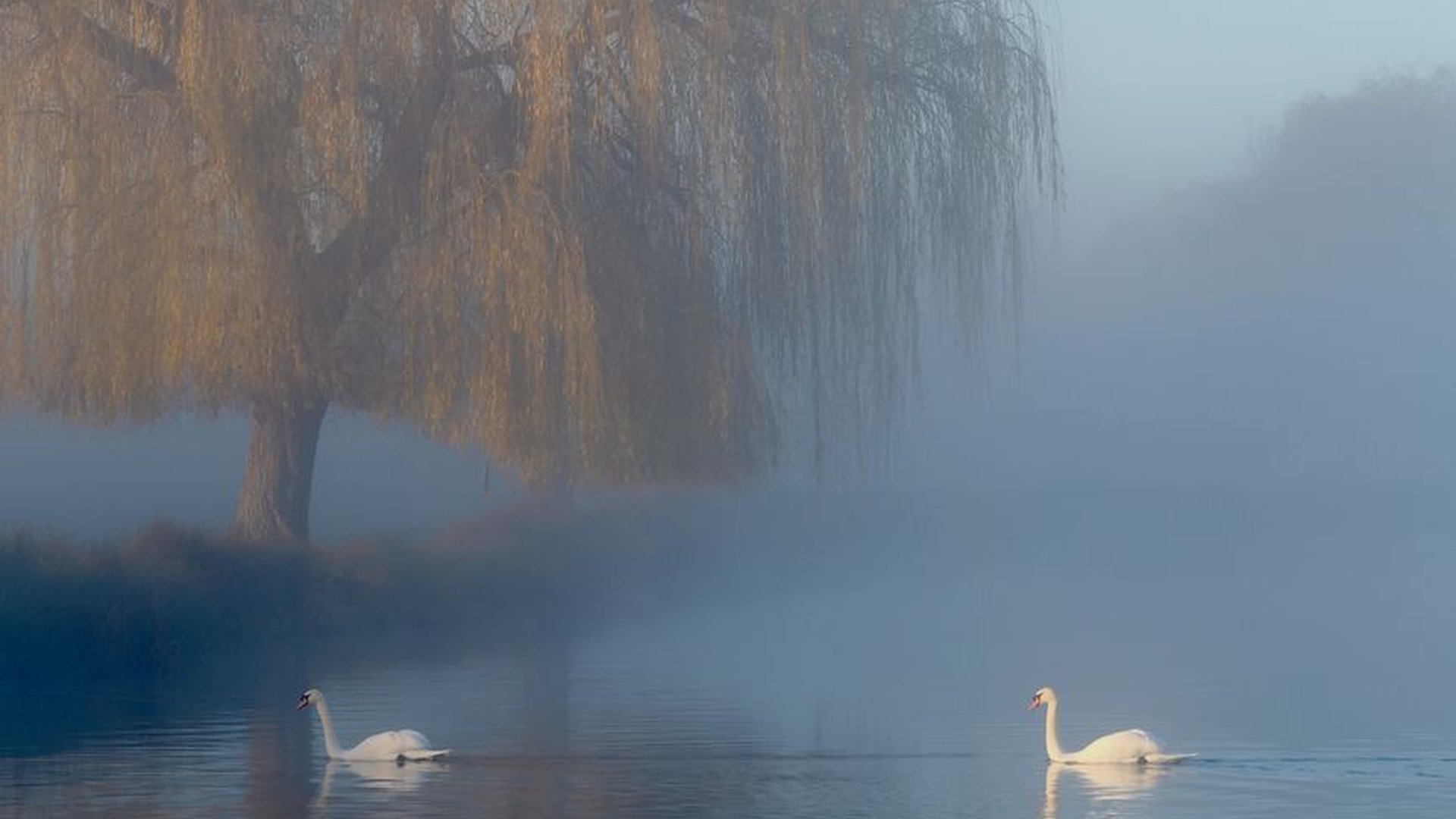
In a world that demands constant motion, Bath offers something rare: permission to pause. The city moves at a rhythm that feels almost intentional—no rushing, no blaring horns. The mornings are foggy and soft, perfect for long walks along the River Avon, where willows drip silver into the water. The afternoons invite you to sit at a café table with a book and a cup of apple tea, the kind that warms your hands and your thoughts. Even the architecture seems to lean toward stillness—clock towers that chime once every hour, churches that don’t rush their sermons, and stone benches placed deliberately near hidden gardens. This isn’t just about beauty. It’s about presence. It’s about choosing to feel the sun on your skin, the wind in your hair, the taste of fresh bread from a local bakery. It’s a return to what travel was meant to be: not a checklist, but a sense of being.
A Gateway to the Countryside, Without the Rush
And yet, Bath isn’t an island. It’s a launchpad. From the city, you can reach the rolling countryside of the Cotswolds in under an hour—just a short ride on the train or a scenic walk along the Avon River path. The hills there wear a golden hue in autumn, and in spring, they bloom with wildflowers. You might spend an afternoon in a sleepy village, sipping tea in a 17th-century pub, or hike across fields where sheep graze in silence. But what sets Bath apart is that you’re not forced to choose between urban charm and nature’s embrace. You can have both. You can wake up in a boutique hotel in Bath, wander through Roman ruins, shop for handmade soaps at a local market, and still be on a hillside with a view of the entire valley by dinnertime. That balance—urban soul, natural grace, and quiet peace—is what makes it unforgettable.
Bath doesn’t shout. It doesn’t need to. It simply exists. As you stand on the edge of the Roman Baths, watching the sunlight shift across the ancient stones, or sip tea on a wooden bench in the Royal Parade, you begin to understand why so many people return, not just for a visit, but for a transformation. It’s not just a place on a map. It’s a feeling. And in an age of speed and noise, that’s the rarest kind of travel—true connection, to a place, to time, and to yourself.