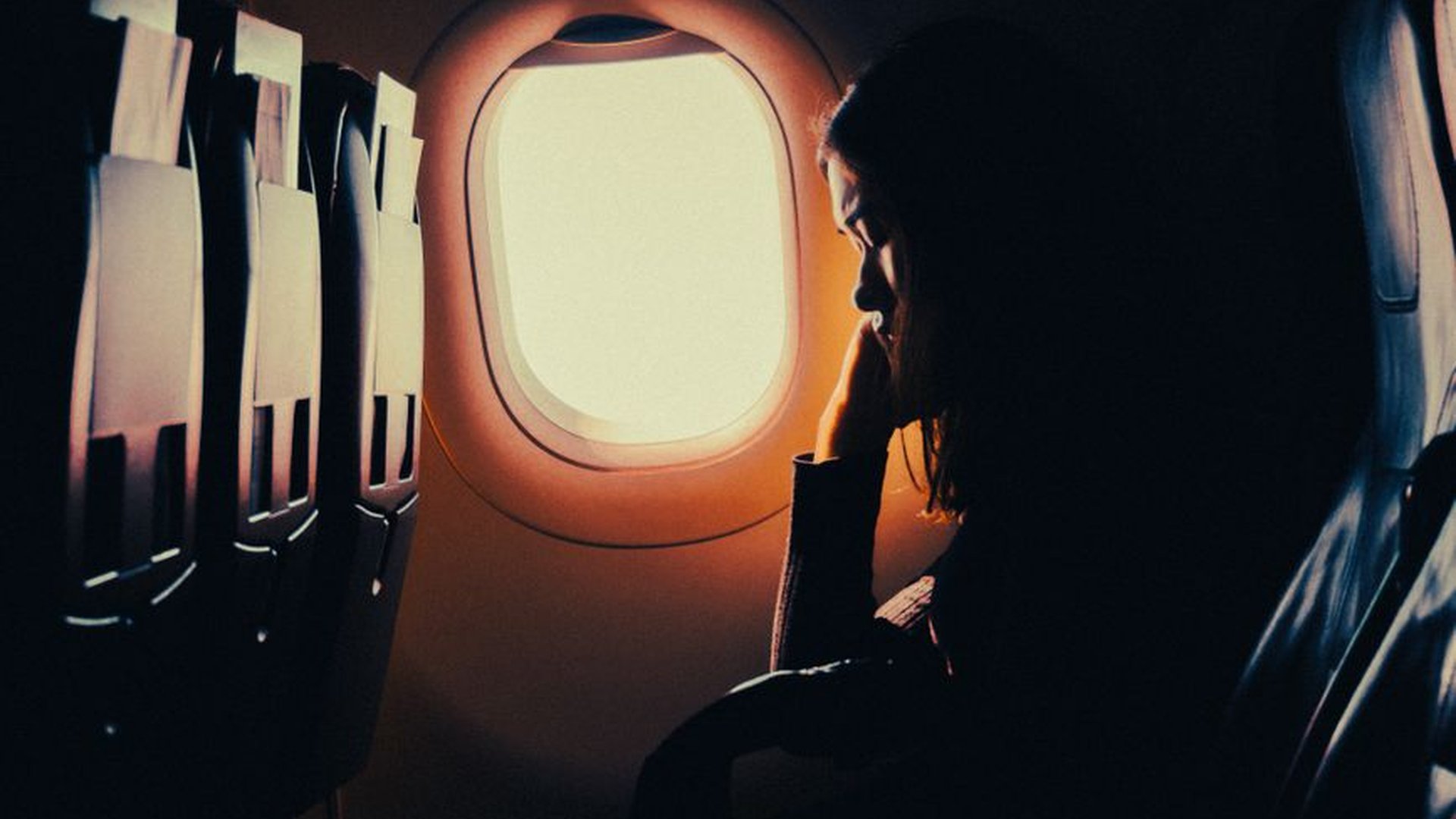
Prepare Your Mind and Body Before Takeoff
Flying to Australia isn’t just a journey across the globe—it’s a transformation of routine, rhythm, and even mood. The moment you board that 14-hour flight from Los Angeles to Sydney, you’re not just crossing time zones; you’re stepping into a different version of yourself. That’s why the foundation of a great long-haul flight starts before you even reach the gate. Sleep quality, hydration, and mental readiness are more than just comfort tips—they’re survival tools for your body and mind. Before you leave, set a routine: go to bed earlier than usual for two nights, avoid heavy meals and alcohol, and start hydrating. Think of it as tuning your body to the new season—your internal clock needs a head start. This simple shift sets the tone for what’s to come.
Strategies to Stay Comfortable in Your Seat
The magic of a long-haul flight isn’t in the destination—it’s in how you spend the hours between. That airport seat you’ve been eyeing? It’s not just for sitting. It’s your sanctuary. Use it wisely. The real trick isn’t just about choosing a window or aisle seat (though we’ll get to that). It’s about how you occupy it. Consider bringing a neck pillow that supports your head without forcing it into an unnatural angle. Opt for compression socks if you’re prone to swelling—your legs will thank you when you step off the plane. And don’t underestimate the power of a lightweight blanket. Even on a warm flight, a soft layer offers psychological comfort and helps block out light and noise. If your airline offers lie-flat seats, book them early. Think of it as a private room in the sky—space is limited, and it’s not a luxury, it’s necessity for recovery.

Mastering the Art of Sleep in the Air
Sleep on a plane isn’t about relaxation—it’s tactical. You’re not just trying to close your eyes; you’re fighting the brain’s instinct to stay awake in an unfamiliar environment. Here’s the truth: every minute of quality sleep on the flight is a step toward faster recovery once you land. Create a sleep ritual. Use earplugs and an eye mask—yes, even in daylight. Don’t wait until you’re exhausted. Start your wind-down 90 minutes before your target sleep time. Dim the overhead light, adjust your seat slightly backward, and use a small pillow to stabilize your neck. If you’re prone to restless legs, try a gentle seated stretch during takeoff and landing. And if you’re flying overnight, ask for a sleep-friendly meal—avoid anything too heavy, spicy, or high in sugar. Sleep isn’t optional. It’s your most effective travel tool.

Navigating Jet Lag with Confidence
Jet lag isn’t a myth. It’s real, it’s exhausting, and it can steal your first 48 hours in Sydney. But it doesn’t have to. When you land, your body still thinks it’s on the other side of the world. The way to reset? Treat your first 24 hours in Australia like a new chapter. Wake up at the local time—no matter how tired you feel. Even if you’ve been on a 14-hour flight, hitting the beach at dawn in Byron Bay, not closed in a hotel room, is a powerful signal to your brain that it’s time to adjust. Sunlight is your best medicine. Exposure to natural light—especially morning sunlight—reboots your internal clock. Avoid naps longer than 20 minutes. If that’s not possible, keep your room dark and use the eye mask you brought. Hydrate heavily—water, not coffee. And most importantly, keep moving. A walk along the Bondi to Coogee coastal path at noon can do more for your rhythm than any supplement.

Experience Australia Before You Land
When you’re flying to Australia, you’re not just passing through; you’re on a journey of anticipation. Use that time to prep for what’s waiting. Open the airline’s in-flight entertainment and pick a documentary on the Great Barrier Reef. Watch a short film on the outback, or listen to a podcast about Ayers Rock. This isn’t just distraction—it’s context. When you land, you’ll walk out not as a tourist, but as someone who already knows the soul of the place. Imagine stepping into Sydney’s harbor, hearing the swoop of a seagull, and instantly recognizing the scene from a movie you watched during takeoff. That moment of recognition? It’s emotional payback for preparation. And if your flight connects through Singapore or Dubai, use those layovers to taste a local dish, hear a snippet of music, or walk through a market. These aren’t stopovers—they’re gateways into culture. They don’t replace the journey, but they enhance it.

Final Thoughts: Your Flight Is Part of the Adventure
Flying to Australia isn’t just about getting from point A to point B. It’s a journey in itself—deep, quiet, and full of quiet moments that shape your travel story. The way you rest, the way you move, the way you prepare—these aren’t just details. They’re the moments that define whether you arrive with energy, wonder, and readiness. Plan your flight not as a hurdle, but as a companion to your journey. Be kind to your body. Respect your time. Listen to your rhythm. And when you finally land on Australian soil, you’ll step off not just as a traveler, but as a person who has already begun to belong.