Why Travel Insurance Is a Game-Changer for Bali
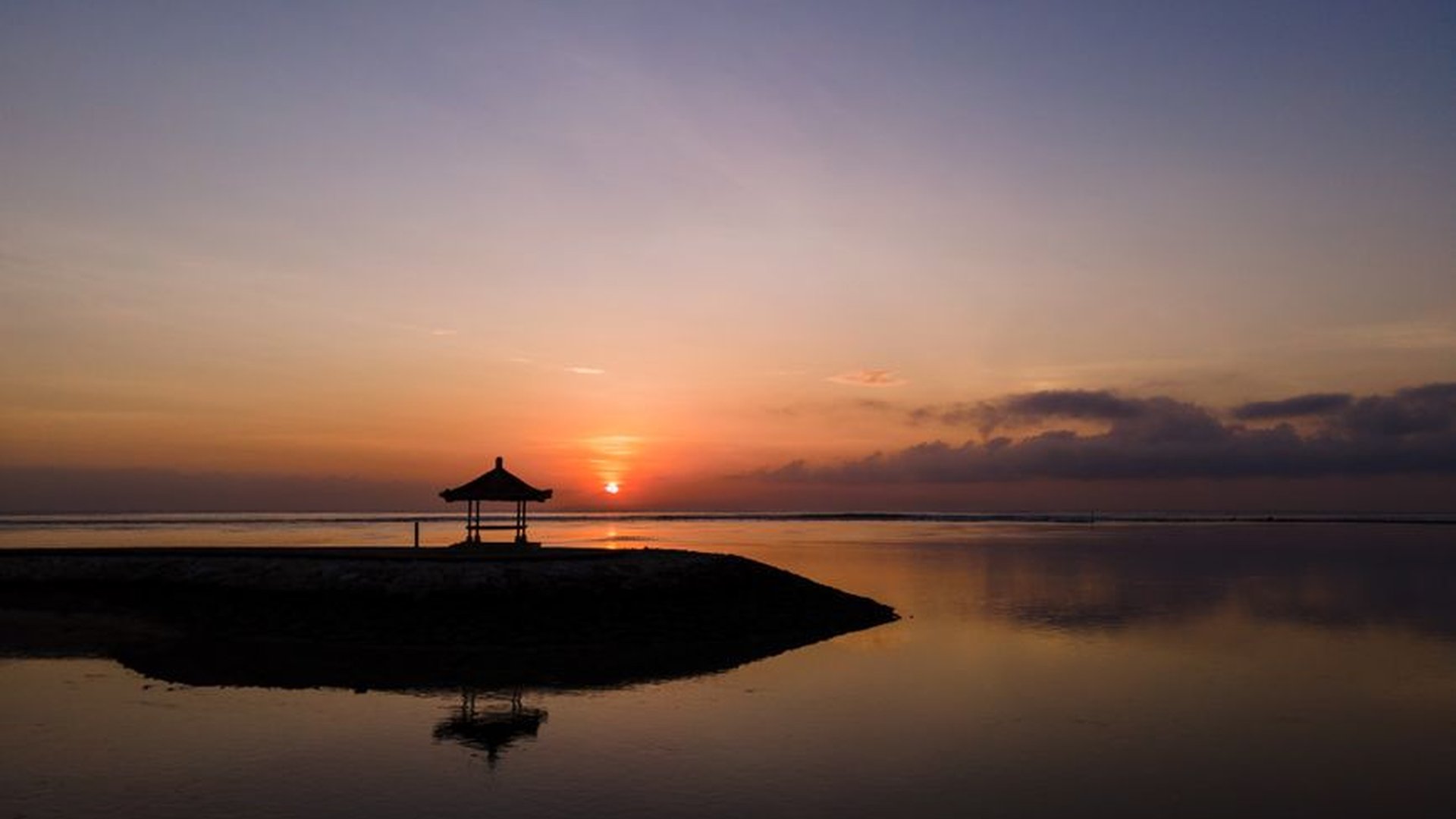
Imagine you’ve finally arrived in Bali—the turquoise waters sparkle under a golden sunrise, the scent of frangipani fills the air, and your first Balinese coffee is waiting on the porch of a seaside villa. You’re soaked in the moment, your camera ready to capture paradise. But then, a sudden rainstorm knocks out your plane’s departure. Or your rental scooter tips over on a winding road. Or a tropical illness hits right after you spend a week at a remote beach resort. These aren’t just travel nightmares—they’re real risks, and without the right protection, they can turn your dream trip into a financial and emotional nightmare.
Bali isn’t just a picturesque getaway—it’s a destination with layers of unpredictability. From volcanic activity and seasonal monsoons to language barriers and medical care that varies across islands, small missteps can spiral fast. That’s where travel insurance becomes more than a formality. It’s your safety net, your 24/7 support system, and your most reliable ally when life refuses to follow the itinerary.
What to Look for in a Bali-Focused Travel Insurance Plan
Not all travel insurance is created equal. You might assume a basic policy from a major provider covers everything—except it often doesn’t. When planning for Bali, you need a policy built for tropical islands, unpredictable weather, and remote locations. Here are the key coverage areas that should be non-negotiable:
First, medical coverage must exceed $100,000. Unlike in the U.S., where healthcare is often covered under private insurance, Bali’s medical facilities range from well-equipped clinics in Seminyak to smaller local hospitals in Ubud. A simple fever might cost $300 to treat, but a serious issue like a bacterial infection or a scooter accident requiring surgery could reach $10,000 or more. Many policies miss the mark here—make sure yours includes emergency evacuation, which can cost $50,000 if you need to be airlifted from a remote village in Nusa Penida.
Second, trip cancellation and interruption protection is critical. Say you book a three-week digital nomad retreat, only to find your return flight is canceled due to a volcanic ash alert from Mount Agung. Without insurance, you’re out the full deposit. But a good policy will reimburse you 100% if the cancellation is due to a covered reason—official weather disruptions, political unrest, or even a family emergency. The key is to confirm your policy doesn’t exclude coverage for natural events common in Bali, like monsoon seasons or typhoon warnings.
Third, baggage protection matters more than you think. Last year, a traveler from Chicago had her checked luggage lost on a connecting flight in Jakarta. It included her swimsuit, snorkel gear, and a treasured family photo album. The airline offered $200 in compensation—nothing close to the actual value. With travel insurance, she was reimbursed $1,400, not including a $300 emergency purchase of new gear. That kind of coverage can mean the difference between a smooth 14-day escape and scrambling on a budget.

Real-Life Stories: When Insurance Made the Difference
Let’s talk about Maya, a 34-year-old teacher from Austin, Texas. She booked a solo backpacking trip to Bali in December, aiming to reconnect with nature and practice yoga. She bought a budget travel plan online. Two days into her stay, she slipped on wet rocks during a jungle hike near Tegenungan Waterfall. The injury required stitches and a week in a local clinic. The clinic bill? $1,200. Her insurance wasn’t strong enough to cover surgery, but it did cover her medical treatment and return flight, saving her $2,300.
Then there was James, a 41-year-old photographer from Toronto. He flew to Bali to capture the ritual of the Melasti ceremonies in the south. After a week, his camera equipment was stolen from his locked villa room. The resort didn’t have surveillance, and the local police were slow to respond. His policy, which included $5,000 in equipment coverage, paid for a replacement DSLR and a new lens—saving his entire project.
These aren’t exaggerations. They’re stories from real travelers who didn’t expect trouble, yet had it. And in both cases, they had insurance—not just for peace of mind, but for survival.

How to Choose the Right Policy in 5 Easy Steps
You don’t need to be a financial expert to pick a smart travel insurance plan. Just follow these five steps, and you’ll find a policy that fits your journey perfectly:
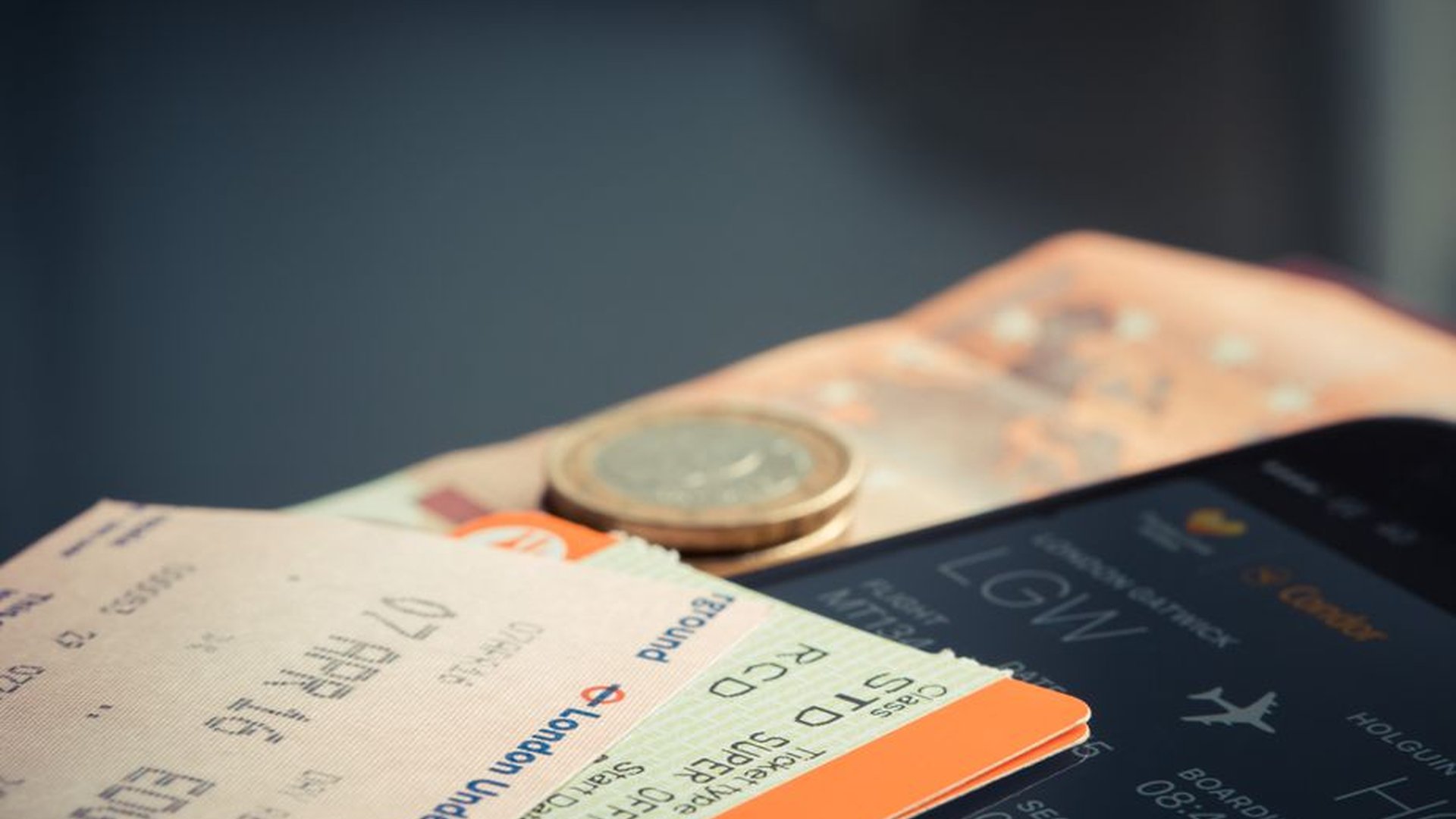
1. **Start with your travel details**. Download your flight itinerary, hotel booking confirmations, and any planned activities (like snorkeling trips, rafting, or temple tours). This helps the insurer assess risk.
2. **Check what’s not covered**. Many policies exclude adventure sports unless you pay for a rider. If you’re into cliff diving at Nusa Lembongan or surfing in Uluwatu, you’ll need to check if those are included. No surprise coverage gaps.
3. **Compare plans side by side**. Use tools like SquareMouth, InsureMyTrip, or TravelInsurance.com. Filter for Bali-specific coverage, medical limits over $150,000, and at least $1,000 for baggage. Don’t just pick the cheapest—look at customer reviews and claim payout speed.
4. **Read the fine print on exclusions**. Some policies skip coverage for pre-existing medical conditions unless you declare them before purchase. Others don’t cover canceled trips due to strikes or political unrest, even if the government issues a travel warning. Be vigilant.
5. **Buy as soon as you book your trip**. The golden rule: the earlier you buy insurance, the better your coverage. If you wait until the last minute, you might miss out on protection for trip cancellation. Many plans require you to buy within 10–14 days of your first payment.
Final Thoughts: Protect Your Journey, Not Just Your Wallet
Bali isn’t just a place—it’s a feeling. The rhythm of gamelan music at a village ceremony. The taste of fresh mango on a wooden porch. The quiet moment watching the sunrise over the ocean, alone with your thoughts. These memories aren’t just worth preserving—they’re worth protecting.
And insurance isn’t about expecting disaster. It’s about knowing that if something goes wrong, you’re not stranded, not stressed, not alone. It’s about walking into a new culture with confidence, knowing your peace of mind is backed by a real safety net.
So, before you pack your bag, double-check your travel insurance. Make sure it’s not just a policy—but a promise. A promise that no matter what happens, you’ll get home safely, your gear will be replaced, and your trip will end not with regret—but with stories to last a lifetime.