Heading to the Dolomites: Hiking in the Italian Alps reveals more than just mountain scenery—it’s an invitation to witness the raw beauty of earth shaped by wind, ice, and centuries of silence. Nestled in the heart of northern Italy’s Alpine range, the Dolomites aren’t just a destination; they’re a sensory experience that unfolds trail by trail, sunrise by sunrise.
The First Light Over Tre Cime di Lavaredo
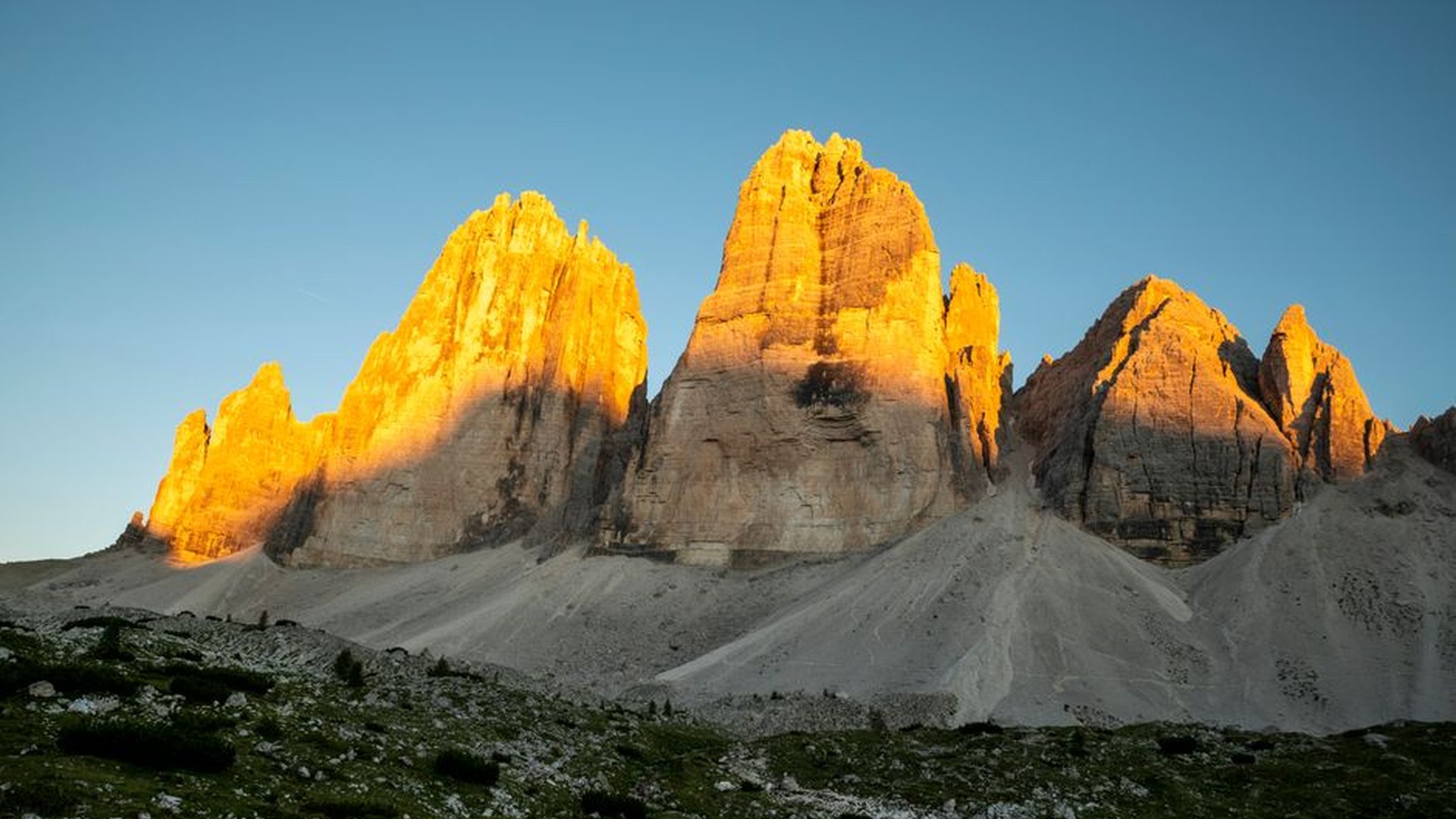
Few moments in hiking life match the quiet reverence of standing atop the Fanes Pass just before dawn, gazing east toward Tre Cime di Lavaredo. These three jagged peaks—resembling ancient stone sentinels—rise from the alpine meadows like shards of a forgotten god’s crown. The air is thin, cold, and still, carrying the faint scent of wind-carved larch and wet stone. As the first golden rays crest the ridge, they bathe the dolomite rock in a warm, almost surreal glow. That moment—when the stone turns pink, then amber, then gold—feels less like a view and more like a revelation.
The 4.8-kilometer round-trip hike to the base of Tre Cime is moderate but demanding. Thick alpine boots, layered clothing, and a steady pace are essential. Along the way, alpine flowers like edelweiss and alpenrose dot the meadow, and the occasional marmot darts across the path. At the viewpoint, hikers often stand in silence, not because they’re tired, but because their minds can’t keep up with what their eyes are seeing.
Why the Dolomites Feel So Different
Unlike other alpine regions, the Dolomites don’t just look dramatic—they feel ancient. Their unique geology—formed over 250 million years ago when this area was underwater—gives the rock a special quality. The stone is mostly dolomite, a mineral rich in magnesium, which gives the peaks their trademark fluorescence. In the late afternoon, when sunlight hits at a low angle, the hills glimmer in hues of rose, bronze, and citrine. This isn’t photography magic. It’s the real thing.
The region’s cultural landscape adds depth. Villages like Rifugio Fanes and Val di Funes are more than just waystations—they’re living testaments to a centuries-old harmony between people and terrain. Houses are built from local stone, wooden shutters painted in faded reds and blues, and the language spoken on the trails is a melange of Italian, Ladin, and Germanic dialects. You’ll hear a hiker from Milan say ‘Buongiorno’ to a shepherd from Badia who replies in Ladin, and both smile, not because they understand each other perfectly, but because they trust the landscape to bridge the gap.
Trails That Tell a Story
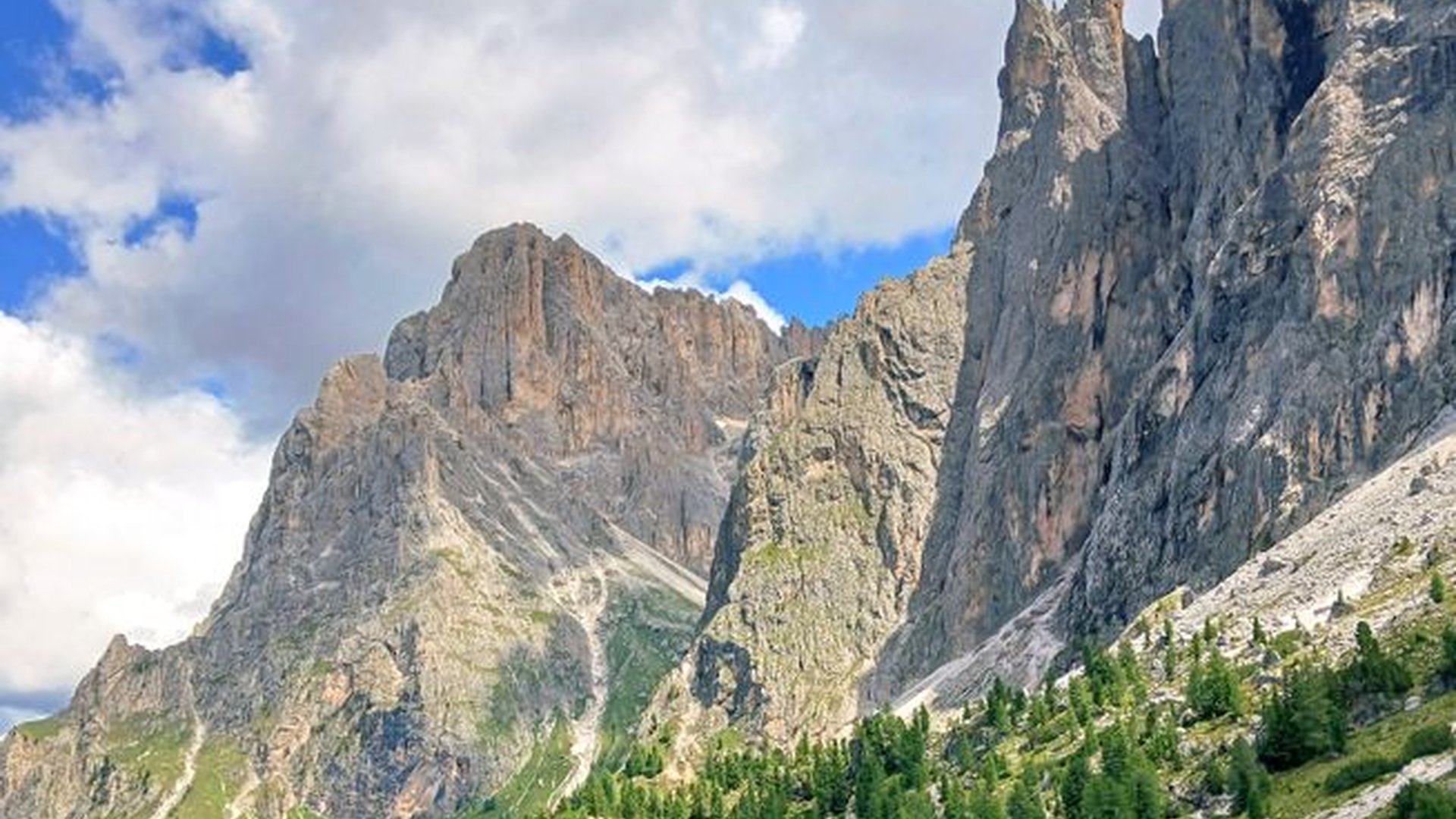
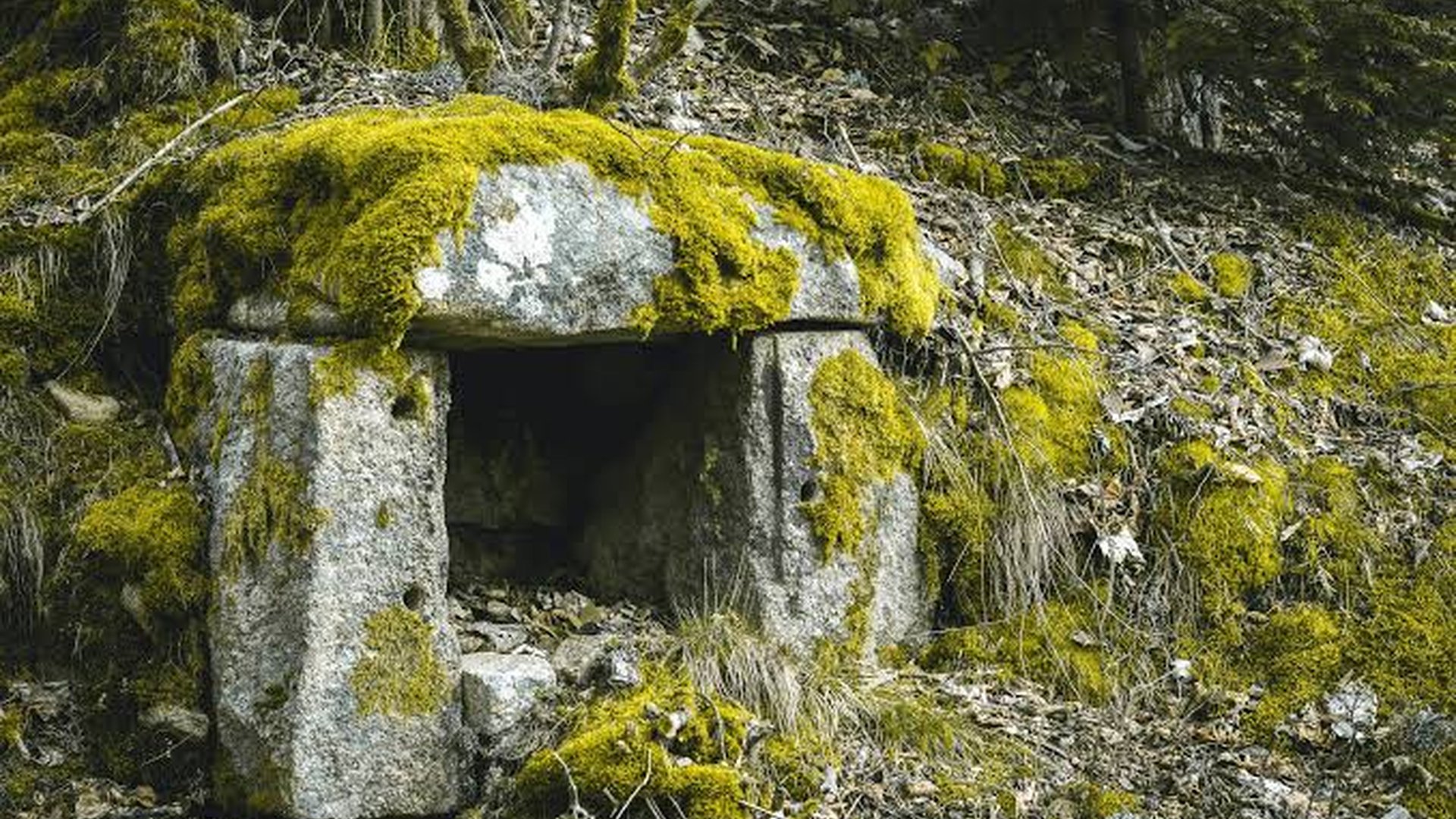
One of the most powerful hikes in the Dolomites isn’t on a famous route—it’s the path from Passo di Giau to the Tre Cime trailhead. This 8-kilometer stretch winds through a high alpine valley once known as a Roman trade route. Ancient stone markers, now weathered and moss-covered, line the path. A few steps off the main trail, you’ll find the rusted remains of a World War I trench—now buried under wild thyme and spiderwebs. These aren’t just ruins. They’re reminders that even the most remote places carry memory.
At higher elevations, the terrain shifts. The path ascends through switchbacks cut into the rock, where the soles of your boots scrape against ancient schist. At one point, you’ll cross a narrow rock bridge—no railings, just a single slab of stone spanning a 50-meter drop. There’s no fear, not really. Just focus. The mind slows. The breath deepens. And for a few minutes, you’re not a traveler. You’re part of the land.
When the Sky Turns to Fire
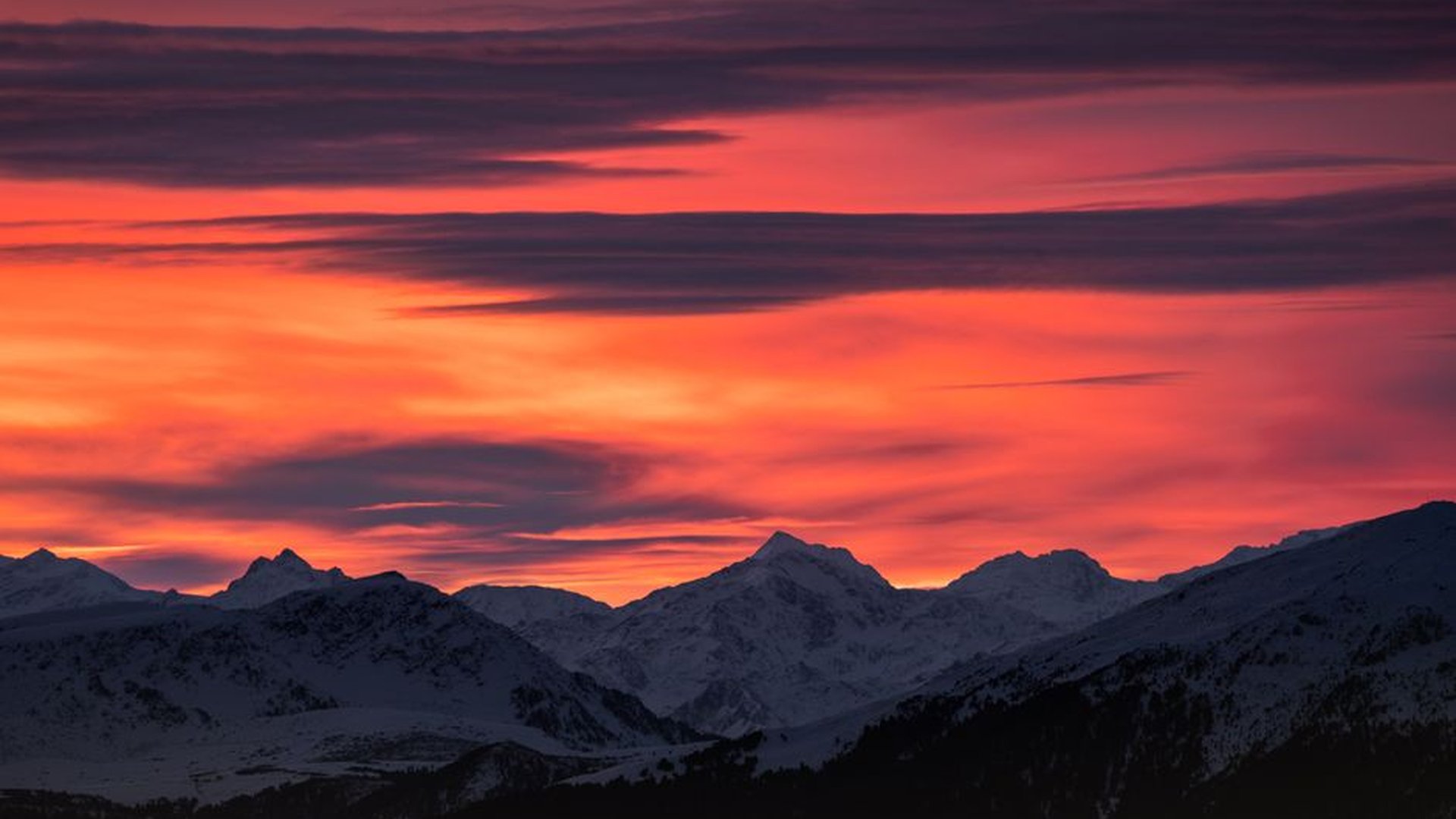
One evening, after a full day of hiking in the Val Gardena valley, I sat on a boulder at the edge of a pasture. The sky had turned violent—purple, orange, and deep violet, with clouds shaped like long fingers stretching across the horizon. The air was still, and for a moment, I wasn’t sure if I was on Earth or on another planet. Then, a lone raven flew low over the ridge, its wings catching the light.
This is the kind of moment no postcard or guidebook can capture. It’s not about the elevation gain, the timestamp on a GPS app, or even the view itself. It’s about presence. About being in a place so wild, so untouched by human noise, that you start to believe in quiet again.
In the summer months, the trails are busiest between mid-June and early September. But if you time your visit for late September or early October, you’ll find fewer crowds, lower temperatures, and a golden hue across the alpine meadows. The larches turn bright gold, and the air carries a crispness that makes every breath feel sharper. There’s a hush in the mountains then—a pause before winter claims the peaks again.
What to Bring (and What to Leave Behind)
Success in the Dolomites isn’t measured by how far you go, but by how much you carry—and how much you leave behind. I’ve seen hikers wear designer jackets and carry full-size backpacks, only to lose their way because they didn’t plan for weather shifts. The truth is simple: layer, adapt, and trust your instincts.
Essential gear includes waterproof hiking boots, a lightweight down jacket, a compact stove for hot drinks at night, and a small first-aid kit. But more important than tools is mindset. Bring patience. Bring curiosity. Bring the willingness to stop and stare at a patch of snowmelt near a stream. Leave behind expectations, phones, and the need to “check off” every trail on a list. The best moments in the Dolomites don’t happen on a schedule. They happen when you surrender to the rhythm of the land.
After three days, I descended into the village of Cortina d’Ampezzo. I was tired, sore in places I didn’t know existed, and yet deeply full. Not just full of adventure, but of stillness. The mountains had not given me anything to sell, to post, or to prove. They had given me something far more valuable: a sense of belonging to something much older than myself.
To hike in the Dolomites isn’t to conquer nature. It’s to let nature remind you who you are.